
LCD Monitor Sizes and Applications for Modern Display Needs
In today’s digital-first world, selecting the right LCD monitor size is crucial for optimizing productivity, entertainment, and professional workflows. The most common display ratio in modern monitors is 16:9, which offers an ideal balance between screen real estate and compatibility with HD content, including movies, gaming, and video conferencing. This aspect ratio supports a wide range of resolutions—such as 1080p (Full HD), 1440p (QHD), and 4K UHD—making it the industry standard across consumer and commercial devices.
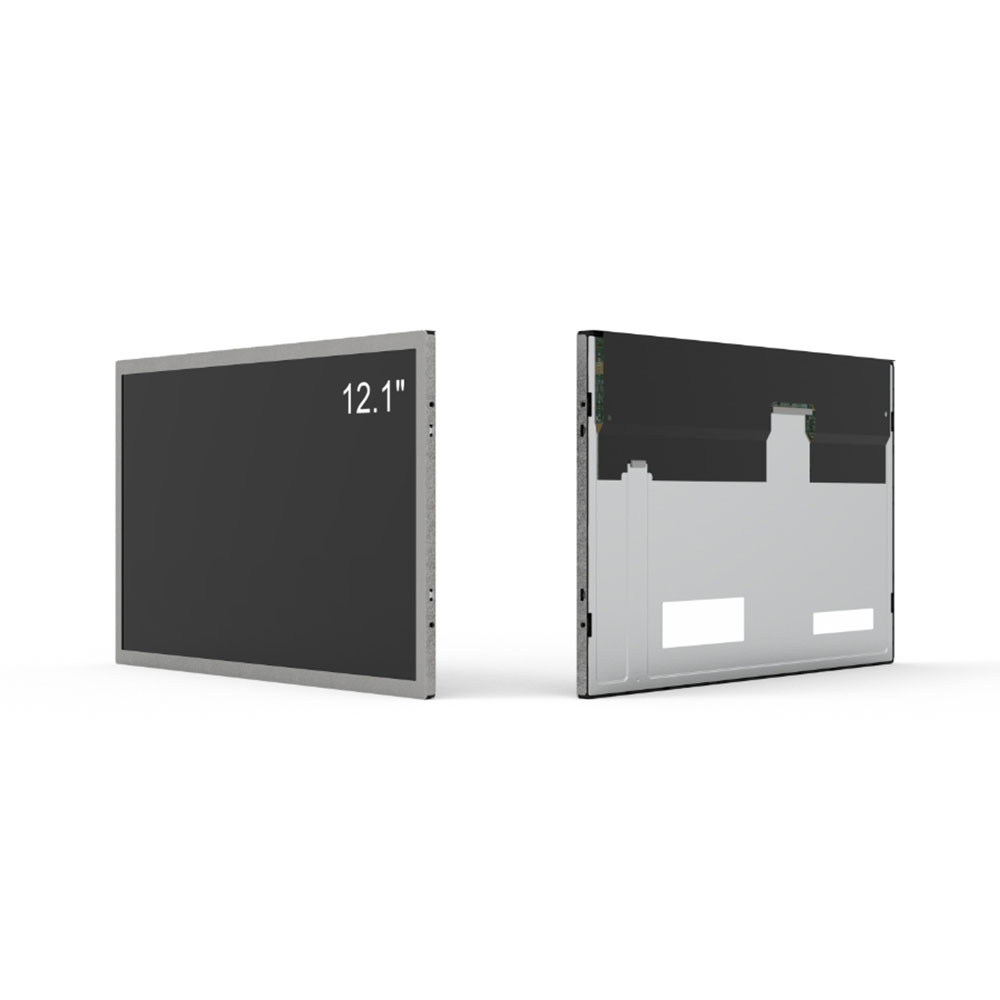
LCD monitors are available in various sizes, from compact 10.1-inch models to massive 110-inch displays. Smaller screens like 10.1” and 13.3” are typically found in portable laptops, tablets, and embedded systems, offering portability without sacrificing visual clarity. These sizes are ideal for mobile professionals or applications such as medical diagnostics, point-of-sale terminals, and industrial control panels where space is limited.
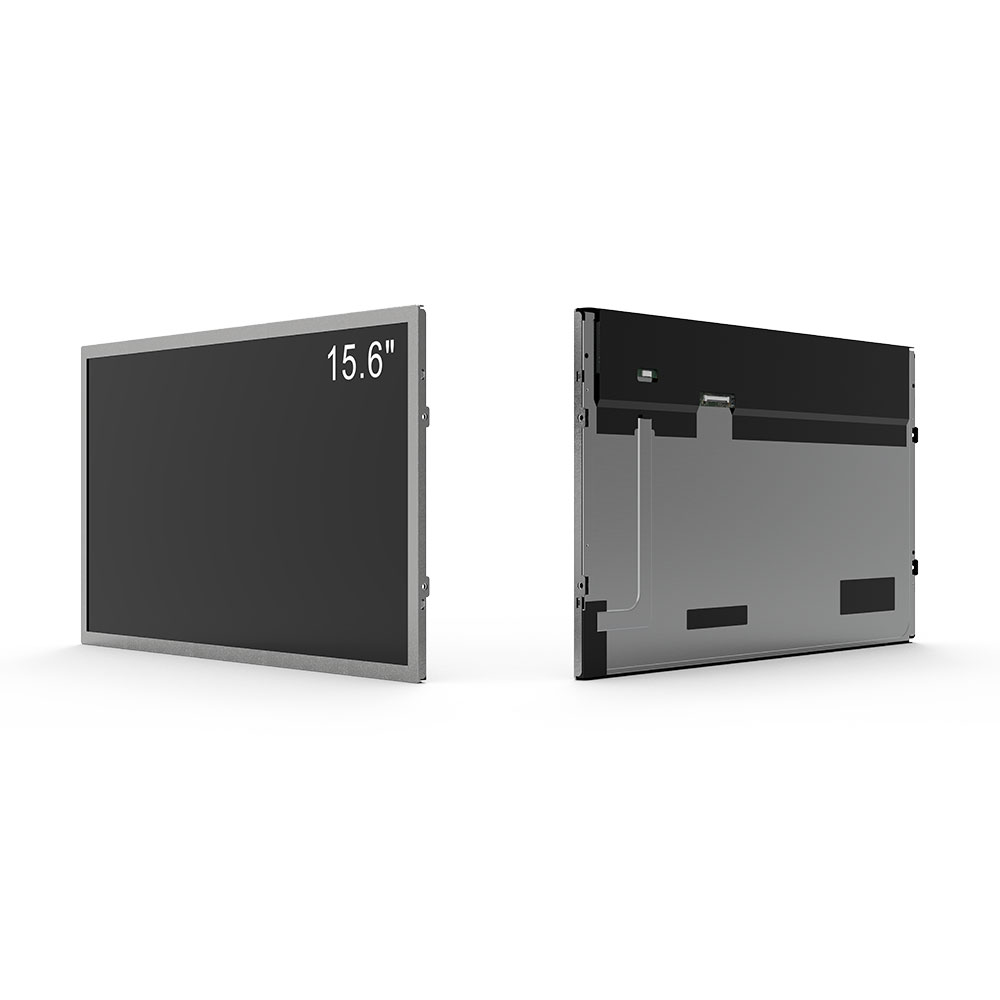
Mid-sized monitors ranging from 15.6” to 27” are the most popular among office workers, gamers, and creatives. A 21.5” Full HD screen provides excellent value for general computing tasks, while a 27” 1440p or 4K model enhances precision in graphic design, video editing, and multi-tasking environments. For gamers, monitors like 24” and 27” with high refresh rates (144Hz+) deliver smooth motion and immersive experiences, particularly when paired with NVIDIA G-Sync or AMD FreeSync technology.
Larger displays—from 32” up to 86” and beyond—are used in commercial settings such as retail kiosks, digital signage, command centers, and home theaters. A 43” to 55” 4K UHD monitor offers cinematic immersion for media consumption, while 65”–86” models support collaborative workspaces and large-screen presentations in corporate environments. Recent advancements in IPS and VA panel technologies ensure that even these large formats maintain excellent color accuracy, contrast, and viewing angles.
For ultra-large installations, 98” and 110” displays are increasingly used in stadiums, airports, and public information systems. These are often built with LED-backlit LCD panels for energy efficiency and long-term reliability. According to a 2023 report by Statista, global sales of LCD monitors over 32” grew at a compound annual rate of 6.2%, driven by demand in education, healthcare, and smart city infrastructure.
When choosing an LCD monitor, users should consider not only physical size but also resolution, brightness (measured in nits), response time, and connectivity options (HDMI, DisplayPort, USB-C). Whether you're building a dual-monitor workstation, setting up a home theater, or deploying a digital signage network, selecting the correct 16:9 LCD monitor size ensures optimal user experience and return on investment.

上一篇:How RisingStar Screens Are Transforming Industrial Display Solutions
下一篇:Optimal Display Ratios for 15 17 19 Inch LCD Monitors in Professional and Consumer Applications