
Optimal Display Ratios for 15 17 19 Inch LCD Monitors in Professional and Consumer Applications
When selecting an LCD monitor for professional or consumer use, the display ratio—specifically 4:3—is a critical factor that influences both usability and visual experience. While modern widescreen displays (e.g., 16:9 or 16:10) dominate the market, the 4:3 aspect ratio remains highly relevant in certain domains such as medical imaging, industrial control systems, legacy software compatibility, and educational environments.
For instance, a 15-inch 4:3 LCD monitor offers a compact yet efficient workspace ideal for small offices, embedded systems, or retrofitting older equipment. These monitors typically provide resolutions like 1024×768 (XGA), ensuring crisp text rendering and accurate pixel alignment for productivity tasks. Similarly, a 17-inch 4:3 unit delivers a balanced mix of screen real estate and ergonomics, making it popular among graphic designers who require consistent aspect fidelity when working with older design files or CAD tools. A 19-inch 4:3 model further enhances viewing comfort with a larger surface area while preserving vertical space—a key advantage over widescreen models when managing long documents, spreadsheets, or code editors.
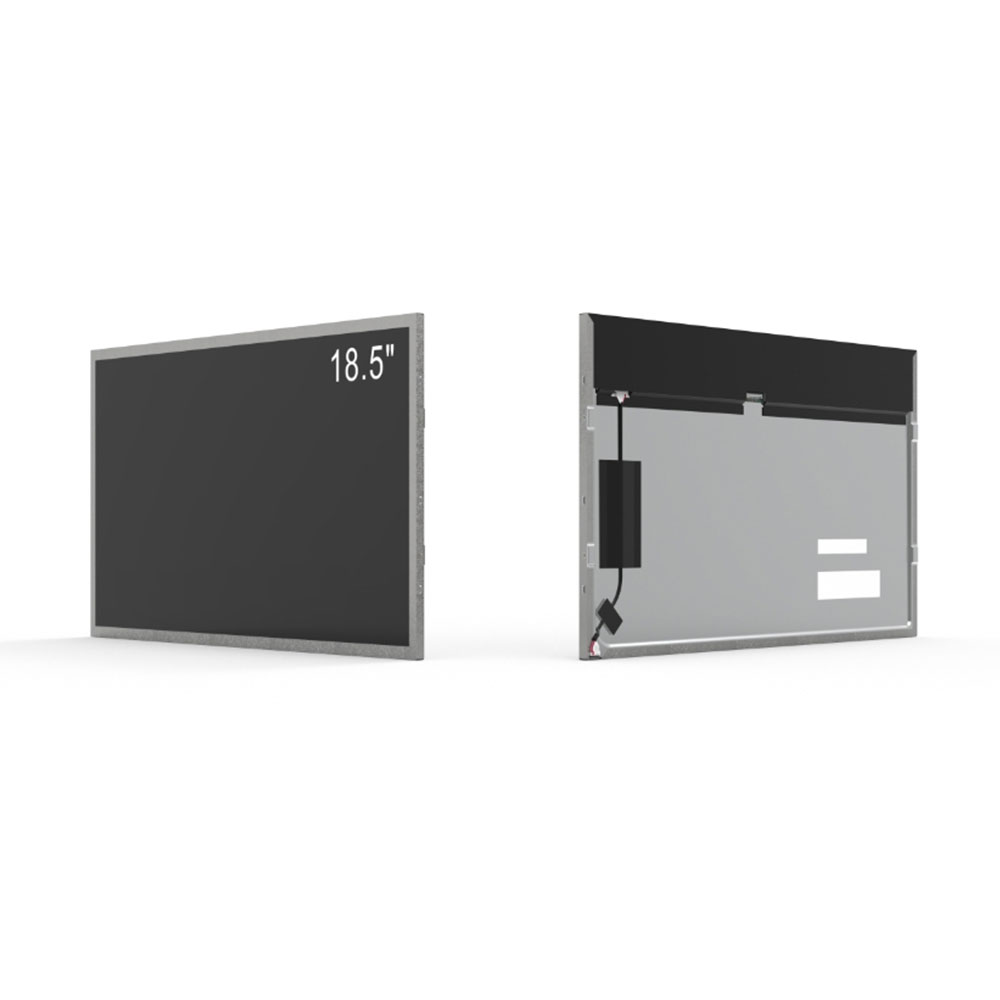
Industry standards such as ISO 13406-2 and EN 60601-1 specify 4:3 ratios for medical-grade displays due to their superior consistency in image reproduction across different brightness levels and angles. Additionally, many enterprise applications still rely on 4:3 resolution formats, particularly in banking, logistics, and government sectors where legacy systems must remain operational. The 4:3 format also reduces horizontal scrolling in data-heavy interfaces, improving user efficiency and reducing eye strain.
Environmental testing by manufacturers like LG, Dell, and NEC shows that 4:3 LCD panels exhibit more uniform color temperature distribution and better contrast stability under prolonged usage compared to widescreen counterparts. This makes them ideal for mission-critical monitoring environments. For consumers seeking clarity in office work, coding, or document editing, 15”, 17”, and 19” 4:3 displays offer an ergonomic and efficient alternative to widescreen options without sacrificing content readability.
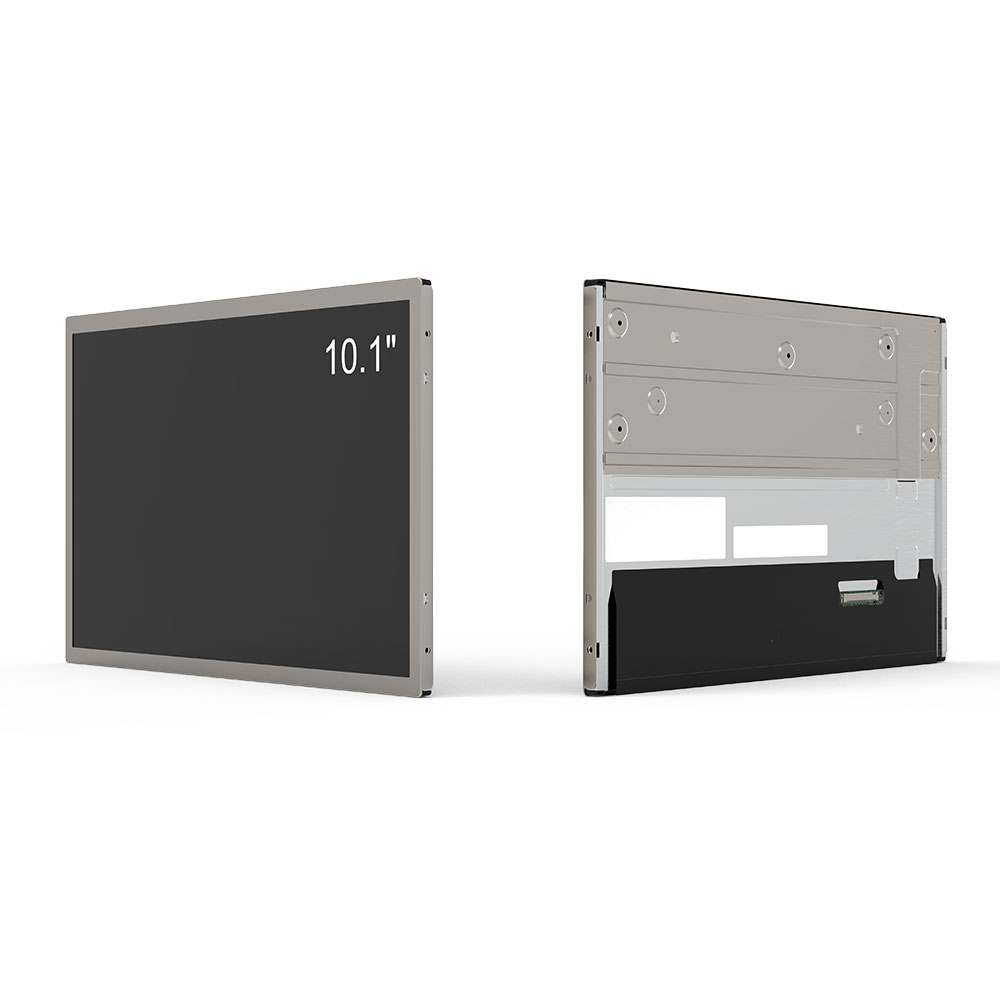
In summary, while 4:3 may not be the default choice in today’s mainstream market, its precision, compatibility, and ergonomic benefits make it indispensable in specialized fields and niche personal use cases. Whether you're deploying 15-inch units in kiosks or 19-inch screens in control rooms, the 4:3 aspect ratio continues to deliver reliable performance backed by decades of industry validation.
上一篇:LCD Monitor Sizes and Applications for Modern Display Needs
下一篇:How to Optimize LCD Manufacturing for Higher Yield and Reliability