
Understanding LCD Technology in Modern Displays
LCD (Liquid Crystal Display) technology remains a cornerstone of modern visual interfaces, widely used in smartphones, televisions, monitors, and automotive dashboards. Its ability to produce sharp, energy-efficient images makes it ideal for both consumer and industrial applications. One practical application is in medical imaging devices—such as ultrasound machines and patient monitoring screens—where consistent color accuracy and low power consumption are critical. In the automotive sector, LCDs enable digital instrument clusters that provide real-time data like speed, fuel levels, and navigation guidance, improving driver safety and user experience.
The advantages of LCDs are numerous. They offer high resolution, wide viewing angles (especially with IPS panels), and excellent contrast ratios when paired with advanced backlighting like LED or mini-LED. Compared to OLED displays, LCDs are more cost-effective for larger screens and have longer lifespans due to less risk of burn-in. Additionally, their manufacturing maturity ensures high yield rates and consistent quality across global supply chains.
However, common problems still exist. Poor backlight uniformity can lead to "clouding" or uneven brightness across the screen, particularly in budget models. Viewing angle limitations remain an issue with TN (Twisted Nematic) panels, although IPS (In-Plane Switching) technology has largely resolved this. Another challenge is response time lag—critical for gaming or fast-moving video content—which can cause motion blur if not addressed by manufacturers using overdrive techniques or higher refresh rates (e.g., 120Hz).
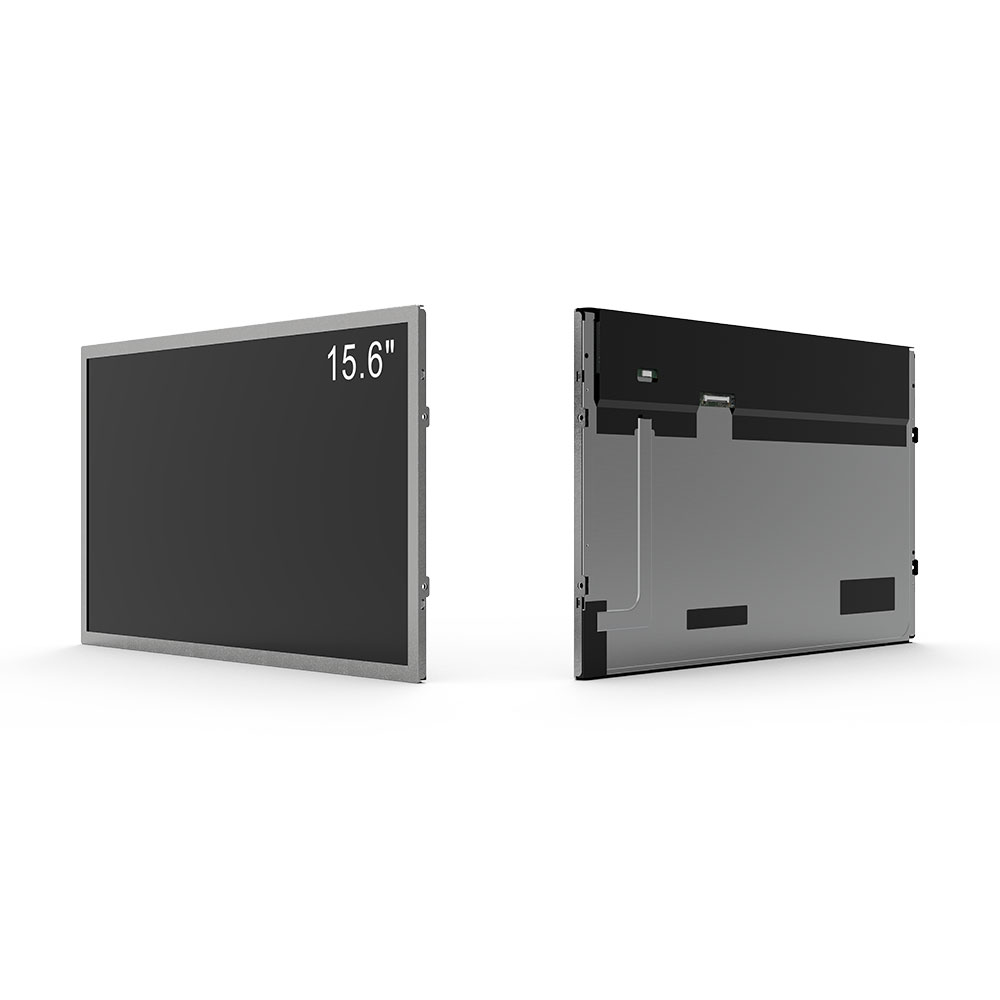
The latest trends in LCD technology focus on enhancing performance while maintaining affordability. Mini-LED backlights are now standard in premium TVs, offering superior local dimming and deeper blacks than traditional CCFL or edge-lit LEDs. Quantum Dot (QD) LCDs improve color gamut and brightness, bringing near-OLED-level vibrancy at lower costs. Moreover, adaptive refresh rate support (like AMD FreeSync or NVIDIA G-Sync) is being integrated into high-end LCD monitors to reduce screen tearing and input lag—making them competitive with OLED for gaming setups.
Industry reports from Display Supply Chain Consultants (DSCC) show that LCD market share remains above 85% in the TV segment as of 2024, driven by its balance of cost, performance, and scalability. With ongoing innovations in panel architecture and manufacturing processes, LCDs continue to evolve—not just as a legacy technology but as a forward-looking solution for diverse industries including education, healthcare, retail, and smart home systems.

上一篇:How to Choose the Right LCD Display for Industrial Applications
下一篇:LCD Panel Manufacturing Process and Quality Control Standards