
LCD Panel Manufacturing Process and Quality Control Standards
LCD panel manufacturing is a highly complex process that requires precision engineering, advanced materials, and rigorous quality assurance protocols. From raw material sourcing to final testing, each stage must meet international standards to ensure performance, longevity, and reliability in consumer electronics such as smartphones, televisions, and industrial displays.
The process begins with the preparation of glass substrates—typically made from high-purity soda-lime or borosilicate glass—cleaned using ultrasonic and chemical methods to remove contaminants. Thin-film transistor (TFT) layers are then deposited via photolithography and etching techniques to form the pixel matrix. This step is critical for controlling brightness, contrast, and response time.
Next, liquid crystal (LC) cells are assembled by sandwiching a layer of liquid crystal between two glass panels. The LC molecules align under electric fields, modulating light transmission to produce images. In backlight units (BLUs), LEDs or edge-lit sources provide uniform illumination, while diffuser sheets and light guide plates ensure consistent brightness across the display surface.
Quality control during production includes automated optical inspection (AOI) systems to detect defects like dead pixels, color inconsistencies, or pattern faults. Environmental stress tests—such as thermal cycling (−20°C to +70°C), humidity exposure (85% RH), and mechanical shock resistance—are performed to simulate real-world conditions. Panels must pass MIL-STD-810G and IEC 60068 standards for durability in diverse applications.
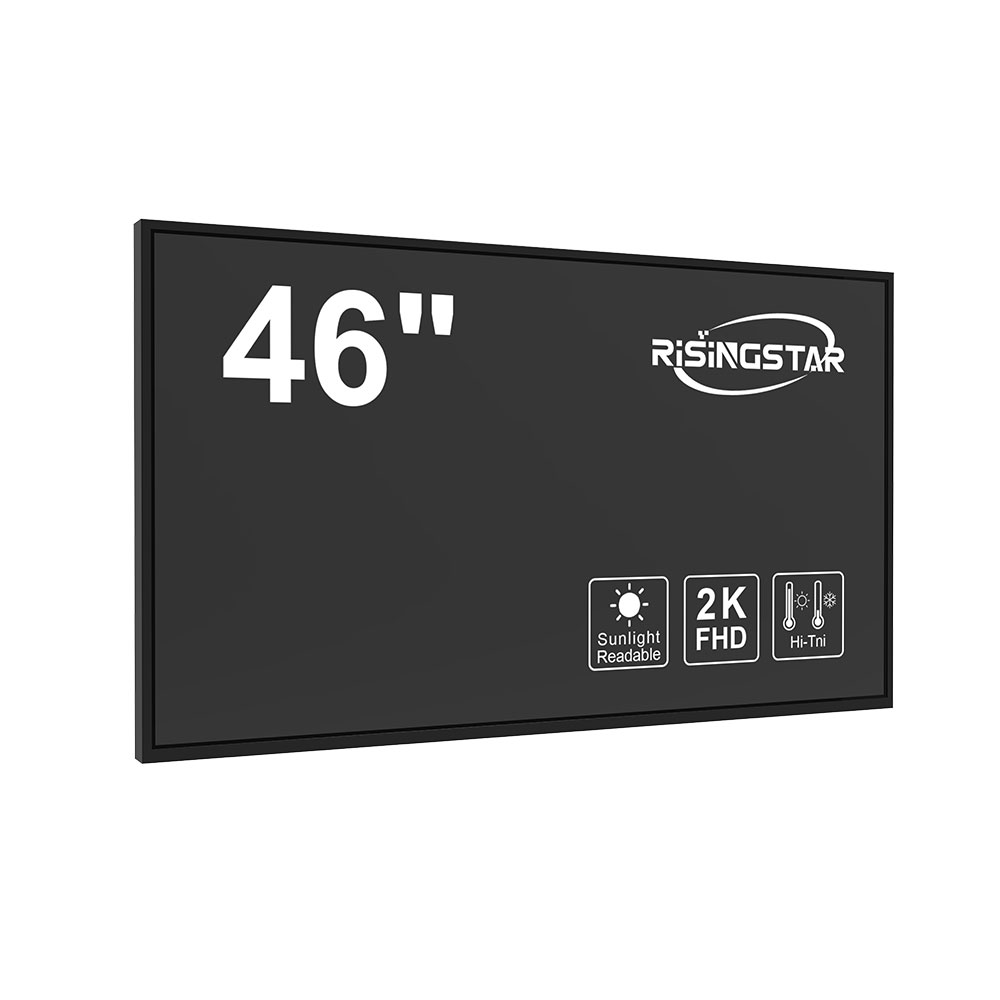
For manufacturers, adhering to ISO 9001 and IATF 16949 certifications ensures systematic quality management and traceability. Leading brands like Samsung Display, LG Display, and BOE Technology implement AI-driven predictive maintenance in their fabs to reduce yield loss and improve throughput.
End-of-line testing involves full-screen image validation using tools like colorimeters and spectrophotometers to measure luminance uniformity, color accuracy (ΔE< 2), and viewing angles. These parameters directly impact user experience—especially in high-end applications like medical imaging, automotive dashboards, and AR/VR headsets.
With global demand for energy-efficient, high-resolution displays rising, manufacturers increasingly adopt OLED-compatible processes and flexible LCD technologies. Industry reports from DSCC and Omdia confirm that 2024 will see over 30% growth in transparent and foldable LCD panels, driven by innovations in polarizer films and low-temperature polysilicon (LTPS) TFTs.
Ultimately, the success of an LCD panel hinges not only on its technical specifications but also on robust process control, environmental resilience, and compliance with evolving industry benchmarks. OEMs and consumers alike benefit when these factors are prioritized throughout the lifecycle—from design to deployment.
上一篇:Understanding LCD Technology in Modern Displays
下一篇:How to Choose the Right LCD Panel for Your Display Application