
How to Choose the Right LCD Panel for Your Display Application
Selecting the appropriate LCD panel is a critical step in designing any display system, whether for consumer electronics, industrial control panels, or medical imaging devices. The right choice ensures optimal performance, longevity, and user satisfaction. This guide outlines key factors to consider when evaluating LCD panels, based on industry standards such as ISO 13406-2 for display quality and practical insights from over a decade of manufacturing experience in the global LCD supply chain.
First, determine your application’s environmental conditions. For outdoor use, such as digital signage or automotive dashboards, you must prioritize high brightness (at least 5000 nits) and wide temperature tolerance (-30°C to +70°C). Panels with anti-glare coatings and IPS (In-Plane Switching) technology are recommended for consistent color accuracy under varying lighting. For indoor applications like tablets or monitors, TN (Twisted Nematic) panels may suffice if cost-efficiency is a priority, though they offer narrower viewing angles.
Second, assess resolution and pixel density. A minimum of 1080p resolution is now standard for most consumer-grade displays. For professional applications—such as graphic design or medical diagnostics—4K UHD panels with 300+ PPI (pixels per inch) ensure sharp detail and reduce eye strain. Always check the panel’s native resolution; downscaled resolutions can degrade image quality.
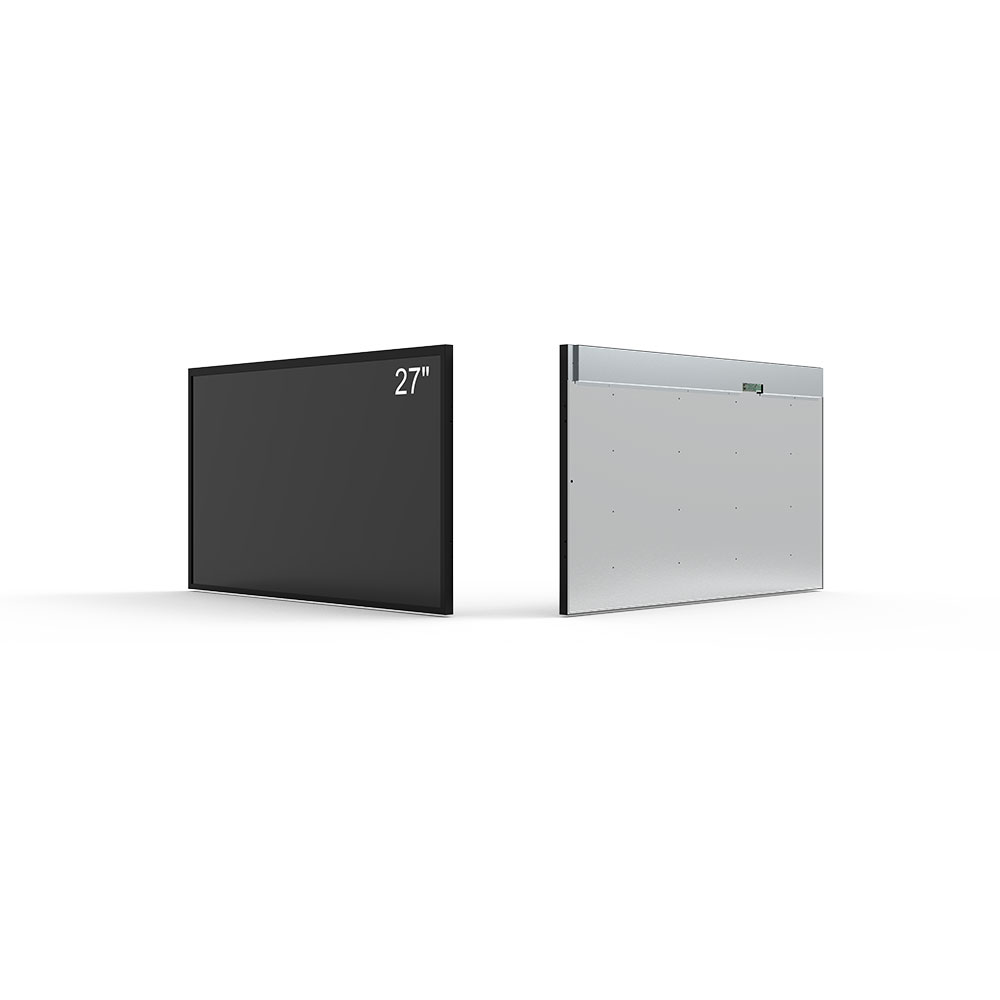
Third, evaluate response time and refresh rate. Gaming and fast-motion video applications require<1ms response time and 120Hz+ refresh rates to minimize motion blur. In contrast, industrial touchscreens often need stable response times around 8–12ms to avoid ghosting during prolonged use.

Fourth, consider backlight type. LED-backlit panels dominate the market due to their energy efficiency, thin profile, and uniform lighting. For specialized uses like aviation or military equipment, cold cathode fluorescent lamps (CCFLs) may still be used for higher reliability in extreme conditions.
Fifth, examine panel certifications. Look for compliance with RoHS, CE, and FCC standards to ensure safety and environmental responsibility. For healthcare or aerospace sectors, additional certifications like IEC 60601-1 for medical devices or DO-160 for avionics are essential.
Finally, validate supplier credibility. Choose manufacturers with proven track records in yield rates above 95%, strong quality control processes, and access to third-party testing labs. Case studies from companies like BOE Technology Group and LG Display show that partnering with reputable suppliers reduces failure rates by up to 40% in production environments.
By systematically analyzing these parameters, engineers and procurement managers can select an LCD panel that meets both technical requirements and long-term operational needs across diverse industries.
上一篇:LCD Panel Manufacturing Process and Quality Control Standards
下一篇:Choosing the Right Display Resolution for Your LCD Panel Needs