
Choosing the Right Display Resolution for Your LCD Panel Needs
When selecting an LCD panel for your next project—whether it's a consumer electronics device, industrial monitor, or medical display—it's essential to understand how resolution impacts performance, usability, and cost. Two key resolution options dominate today’s market: 2K (2560×1440) and 4K (3840×2160). Each offers distinct advantages depending on the application.
For professionals in graphic design, video editing, or engineering, 4K resolution provides exceptional clarity and detail. With over 8 million pixels, 4K panels deliver four times the pixel density of Full HD (1080p), enabling sharper text, smoother gradients, and more accurate color representation. Industry benchmarks from the Society for Information Display (SID) confirm that 4K is now the standard for high-end professional displays where precision matters. For example, the LG UltraFine 4K Monitor (27UK850-W) is widely adopted by creative professionals due to its 100% sRGB coverage and HDR support.
On the other hand, 2K resolution strikes a powerful balance between visual quality and system performance. It offers 2.5x the clarity of 1080p, making it ideal for productivity-focused environments like offices or classrooms. The lower pixel count reduces GPU strain compared to 4K, which translates into better frame rates for gaming or real-time data visualization. According to a 2023 report by DisplaySearch, 2K displays are increasingly popular in corporate settings due to their cost-effectiveness and compatibility with existing hardware infrastructure.
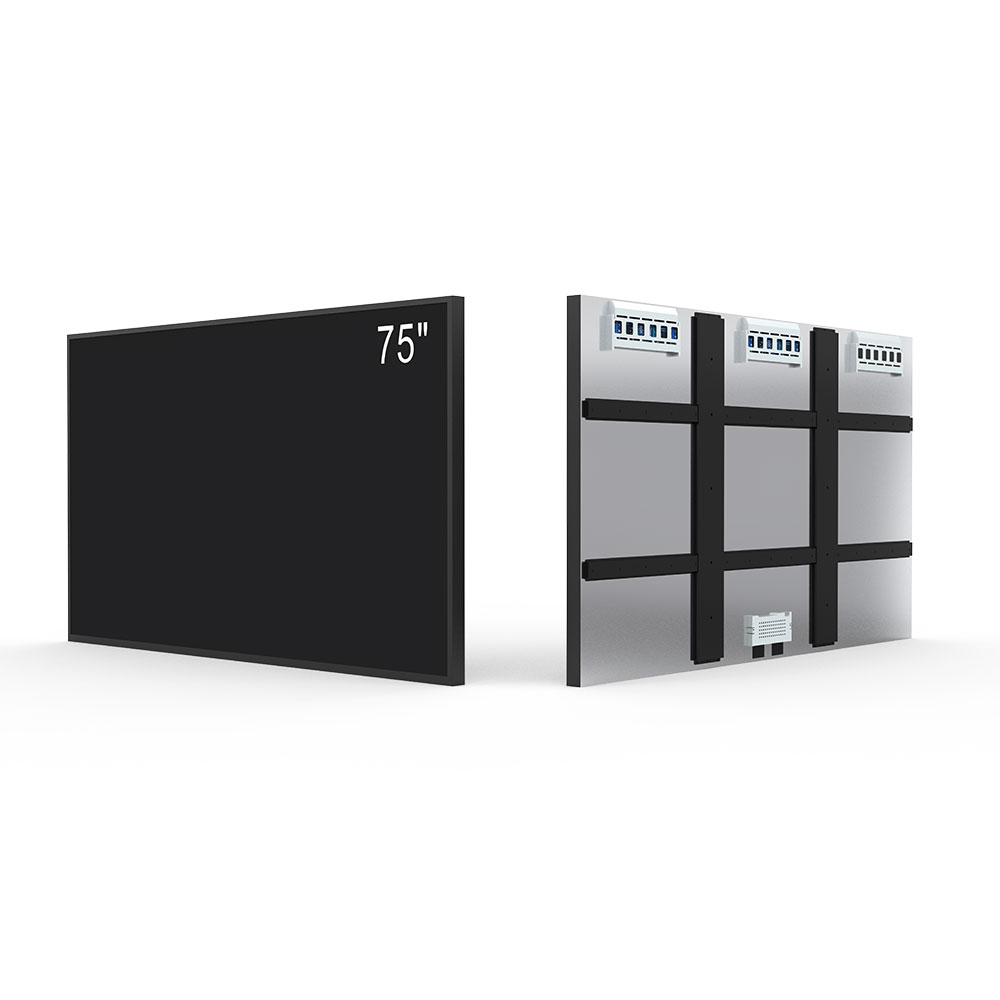
Both resolutions benefit from modern LCD technologies such as IPS (In-Plane Switching) panels, which ensure wide viewing angles and consistent color reproduction. However, 4K panels typically require higher brightness levels (≥ 400 cd/m²) and advanced backlight systems like local dimming to maintain image quality in bright environments. In contrast, 2K panels often perform well under 300 cd/m², making them suitable for indoor office use.
Environmental testing by UL and IEC standards also shows that 2K LCDs generally consume less power—around 15–20% less than 4K counterparts—making them a greener choice for energy-conscious users.
Ultimately, the decision between 2K and 4K should align with your specific needs: choose 4K for professional-grade visuals and immersive experiences; opt for 2K when efficiency, affordability, and widespread compatibility are priorities.
上一篇:Strip Screen Series Display Sizes and Applications in Modern LCD Technology
下一篇:How to Choose the Right LCD Display for Industrial Applications