
How to Choose the Right LCD Display for Industrial Applications
When selecting an LCD display for industrial applications, engineers and procurement specialists must consider several critical factors beyond just screen size or resolution. The environment in which the display operates—such as extreme temperatures, humidity, vibration, or exposure to dust—dictates the need for ruggedized components. According to a 2023 report by MarketsandMarkets, the global industrial LCD market is projected to reach $18.6 billion by 2028, growing at a CAGR of 7.2%, driven largely by increasing automation in manufacturing, energy, and transportation sectors.
One of the primary considerations is brightness. Industrial displays often operate in outdoor or high-ambient-light environments where standard 300–400 cd/m² brightness levels are insufficient. Displays rated at 1000 cd/m² or higher—such as those using transflective technology—are essential for visibility under direct sunlight. For example, the Panasonic LCL-1530 series offers 2000 cd/m² brightness and is certified for use in harsh environments like oil rigs and mining equipment.
Another key factor is temperature tolerance. While consumer-grade LCDs typically function between 0°C and 50°C, industrial-grade models can withstand -30°C to +70°C or even wider ranges. The MIL-STD-810G military standard is commonly referenced for durability testing in extreme conditions. Displays used in automotive diagnostics, such as those from LG Innotek’s IP65-rated line, undergo rigorous thermal cycling and shock tests to ensure reliability.
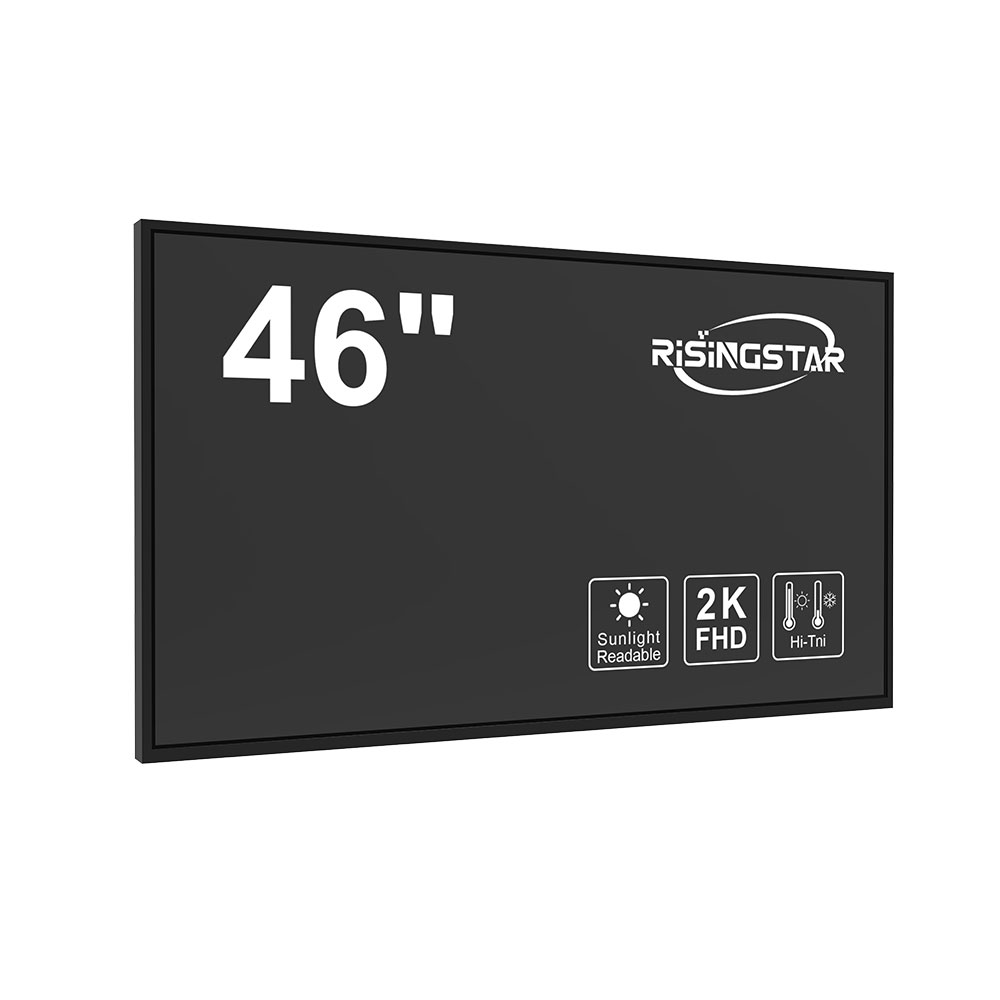
Durability also extends to physical protection. IP65 or higher ratings (dustproof and water-resistant) are crucial for factory floors, food processing plants, or marine applications. Touchscreen functionality adds value but must be resistant to oils, chemicals, and mechanical wear. Capacitive touchscreens with glove compatibility and anti-fingerprint coatings are increasingly common in modern industrial designs.
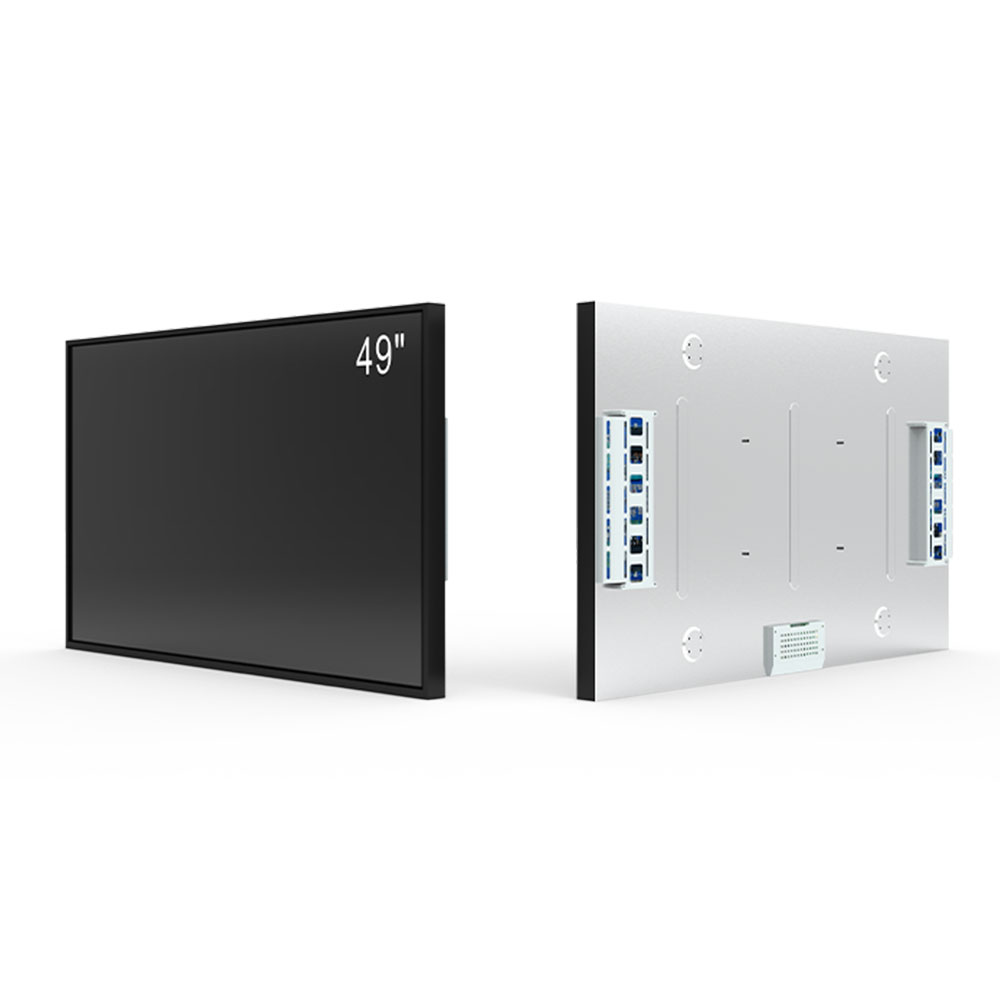
Power efficiency matters too—especially in battery-powered or remote systems. Low-power LCDs using LED backlighting or OLED technologies reduce operational costs and extend uptime. A case study from Siemens in 2022 showed that switching to low-power LCD modules in portable control units reduced energy consumption by 35% without compromising performance.
Finally, software integration and long-term support matter. Industrial customers prefer displays compatible with real-time operating systems (RTOS), embedded Linux, or Modbus protocols. Supplier commitment to multi-year production cycles ensures supply chain stability—a concern highlighted in the 2024 Semiconductor Industry Association report on supply chain resilience.
In summary, choosing the right industrial LCD means prioritizing environmental resilience, brightness, longevity, power efficiency, and compatibility—not just aesthetics or initial cost. Proper selection leads to reduced maintenance, higher uptime, and improved operator safety across demanding sectors.
上一篇:Choosing the Right Display Resolution for Your LCD Panel Needs
下一篇:Understanding Strip Screen Series Sizes and Applications in Modern Display Technology