
Understanding LCD Display Technology in Modern Electronics
LCD (Liquid Crystal Display) technology remains a cornerstone of modern electronic devices, from smartphones and tablets to televisions and industrial monitors. Its widespread adoption stems from its energy efficiency, compact design, and ability to deliver high-resolution visuals. As the demand for better display quality, durability, and power savings increases, understanding how LCDs function—and how they’re evolving—is essential for engineers, manufacturers, and consumers alike.
The introduction of LCDs dates back to the 1960s, but it wasn’t until the 1980s and 1990s that they became commercially viable for consumer electronics. Early LCDs used passive matrix technology, which limited contrast and response time. Today’s active matrix LCDs, particularly those employing TFT (Thin Film Transistor) technology, offer superior image clarity, faster refresh rates, and wider viewing angles—making them ideal for dynamic content such as video playback and gaming.
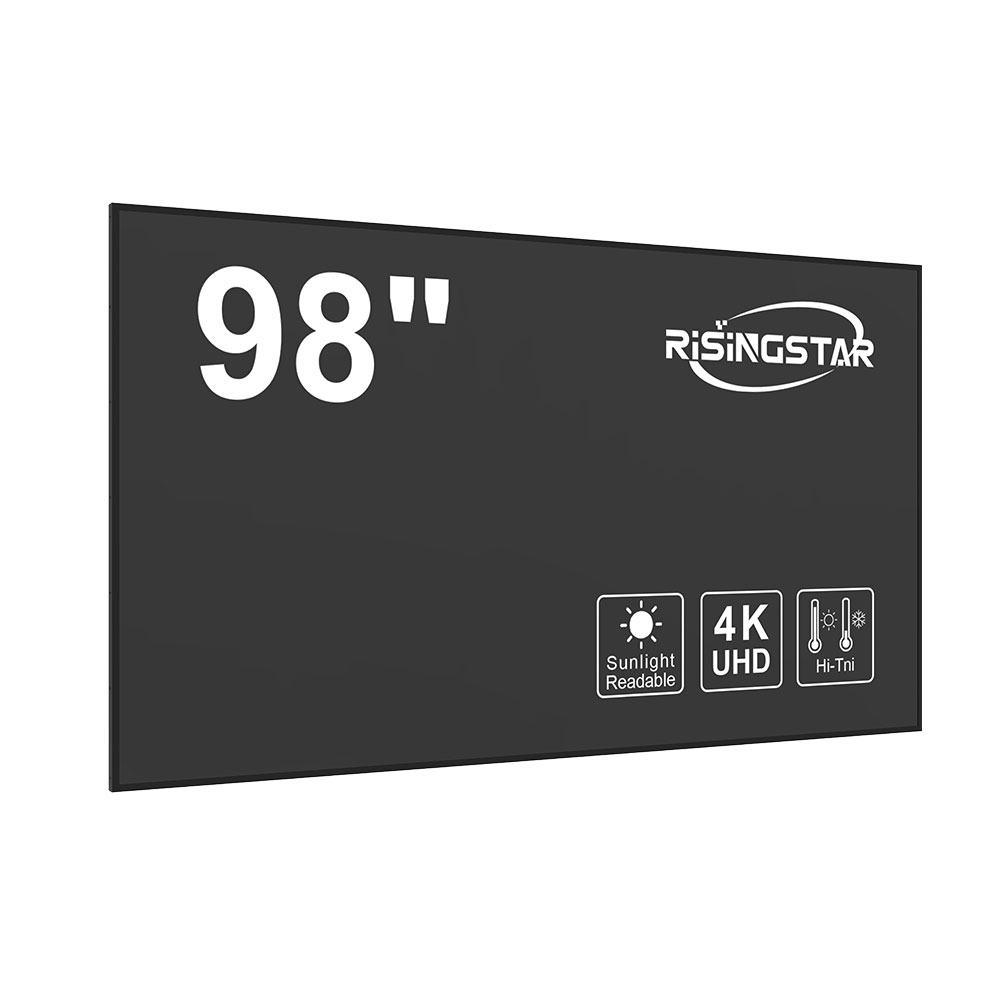
In manufacturing, LCD panels are assembled using precision layers including polarizers, liquid crystal cells, color filters, and backlight units. The backlight, often LED-based, is critical for brightness and uniformity. Industry standards like ISO 13406-2 ensure consistency in performance metrics such as luminance, contrast ratio, and color accuracy. For instance, a typical 4K TV panel might achieve 300–500 cd/m² brightness with a contrast ratio of 1000:1 or higher, meeting consumer expectations for immersive visuals.
Environmental resilience is another key factor. Many LCD panels now undergo rigorous testing per IEC 60068 standards for temperature, humidity, and mechanical shock resistance. This ensures reliability in diverse conditions—from outdoor kiosks in desert climates to industrial settings in freezing warehouses.
Despite advancements in OLED and microLED technologies, LCDs remain dominant due to their cost-effectiveness, mature supply chains, and suitability for large-screen applications. In fact, according to a 2023 report by Statista, over 75% of global flat-panel displays sold were still LCD-based, highlighting their enduring relevance.
Looking ahead, innovations like Mini-LED backlighting and local dimming are pushing LCDs closer to OLED-level performance without the premium price tag. These enhancements improve black levels, reduce glare, and increase dynamic range—key factors in premium displays for both consumer and professional use.
In conclusion, LCD technology continues to evolve while maintaining its position as a trusted, scalable solution across industries. Whether for portable devices or enterprise displays, LCDs strike a balance between performance, cost, and manufacturability that few alternatives can match today.
上一篇:How to Choose the Right LCD Panel for Your Display Needs
下一篇:How to Choose the Right LCD Display for Industrial Applications