
How to Choose the Right LCD Display for Industrial Applications
When selecting an LCD display for industrial applications, it's crucial to consider environmental conditions, longevity, and performance reliability. Industrial environments often expose displays to extreme temperatures, humidity, vibration, and dust—conditions that can quickly degrade consumer-grade screens. For example, a standard 10.4-inch TFT-LCD used in a factory control panel must maintain readability under 5°C to 60°C ambient temperatures, with an IP65 rating for dust and water resistance.
Manufacturers like Sharp, LG, and AU Optronics offer ruggedized LCDs specifically designed for industrial use. These panels feature enhanced backlighting systems, wide viewing angles (up to 178°), and high contrast ratios (typically 500:1 or higher). They also support extended operating lifespans—often over 50,000 hours—using advanced LED backlights and protective glass coatings.
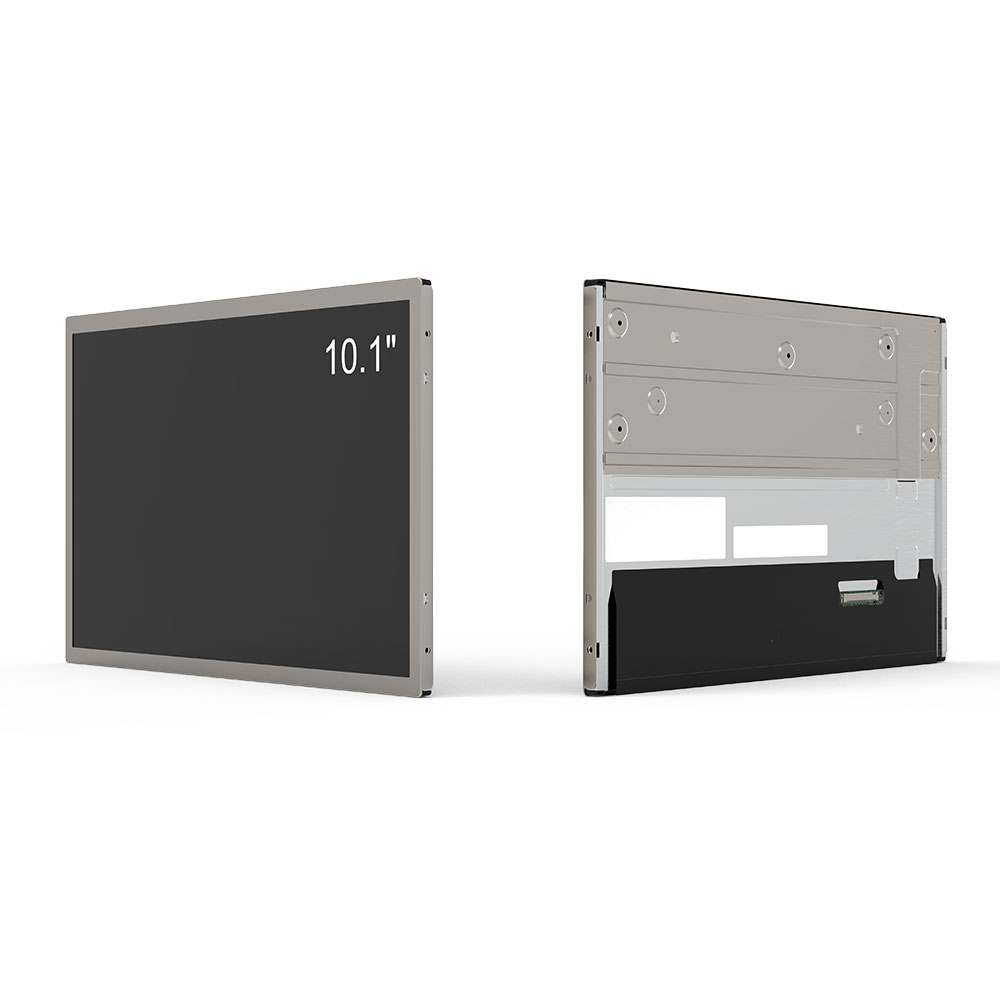
Another critical factor is interface compatibility. Many industrial LCDs now integrate LVDS, MIPI DSI, or Embedded DisplayPort (eDP) interfaces, enabling seamless integration with PLCs, embedded processors, and custom control systems. For instance, the AUO B101XAN01.0 10.1-inch LCD module supports both LVDS and eDP, making it ideal for medical imaging devices and automated test equipment.
Additionally, thermal management matters. Industrial-grade LCDs often include passive cooling solutions such as aluminum heat sinks or thermally conductive adhesives, which prevent overheating in enclosed enclosures. This design choice not only improves reliability but also meets IEC 60068-2-14 standards for temperature cycling endurance.
User feedback from OEMs confirms that durability and low maintenance are top priorities. A 2023 survey by TechInsights found that 78% of industrial designers prefer LCD modules with built-in touchscreens (capacitive or resistive) due to improved operational efficiency and reduced need for external peripherals.
Ultimately, choosing the right LCD means balancing cost, performance, and long-term value—not just initial price. By prioritizing certified components, rigorous testing, and manufacturer support, companies can ensure their displays remain functional across decades of demanding use.