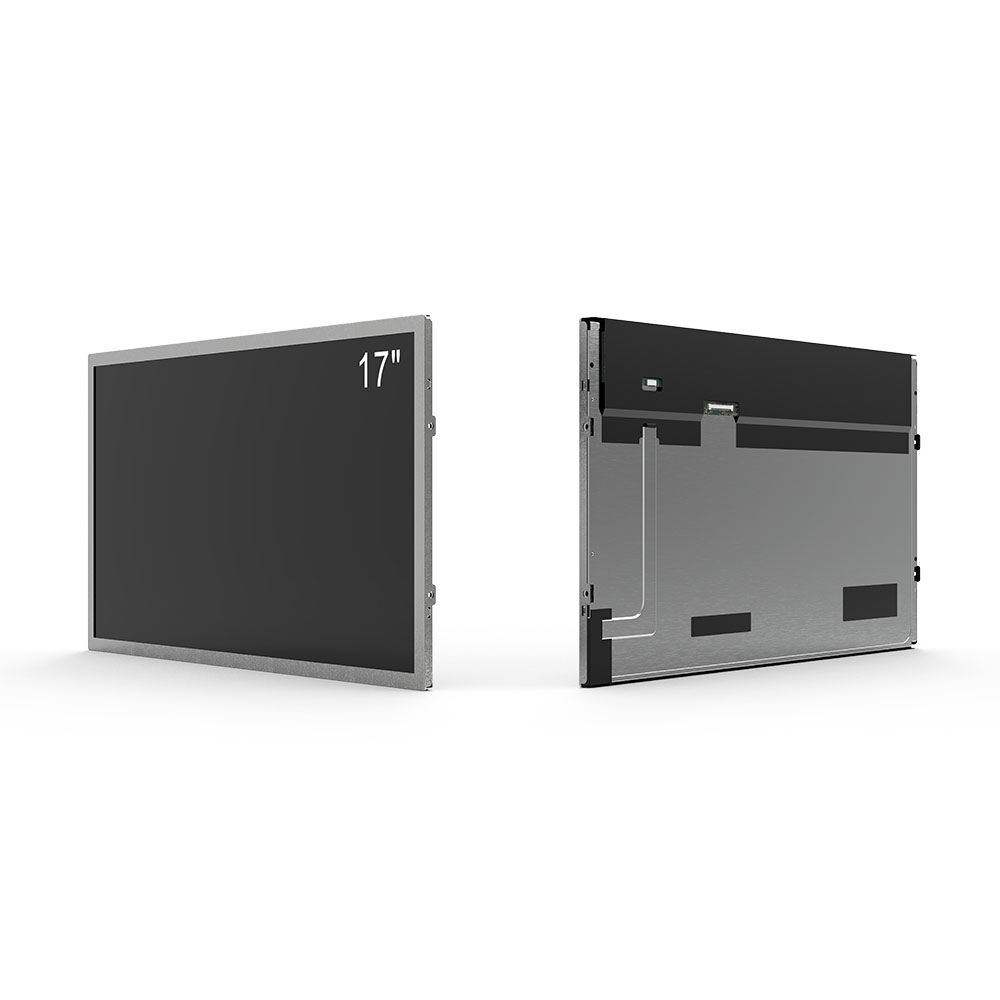
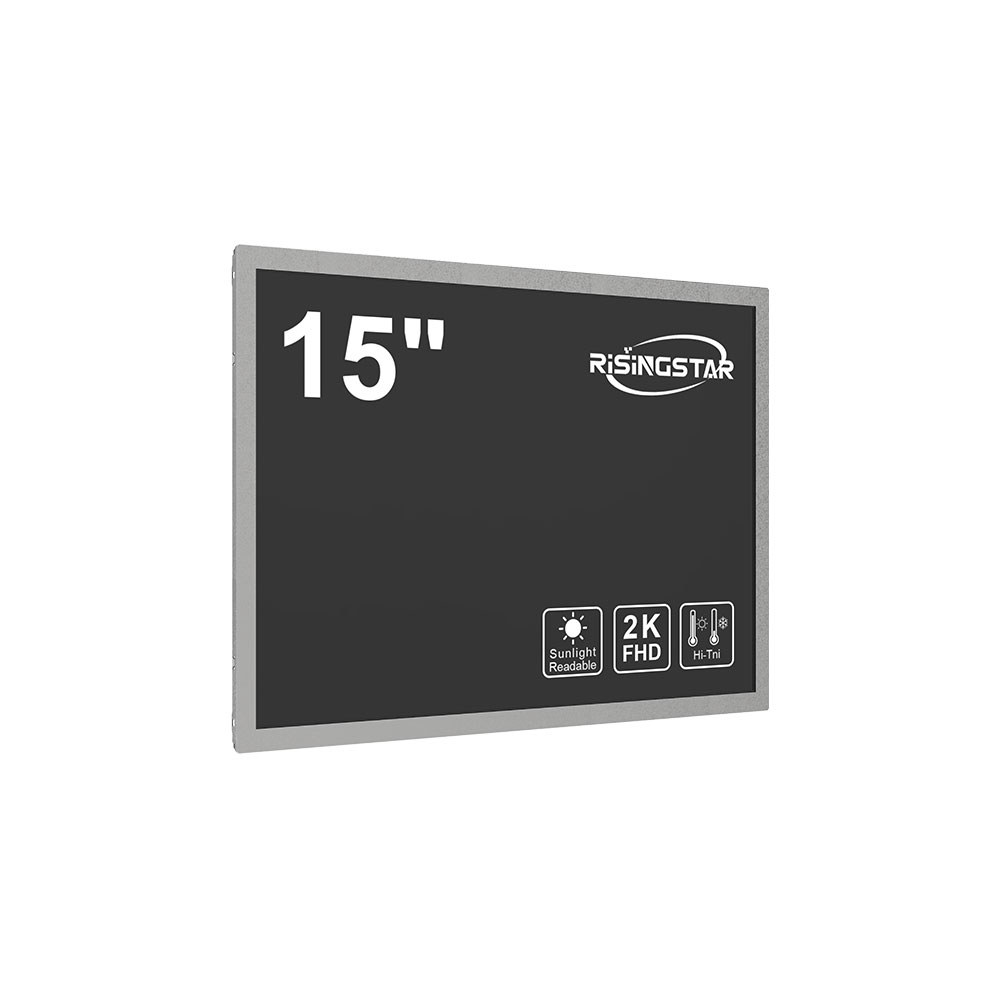
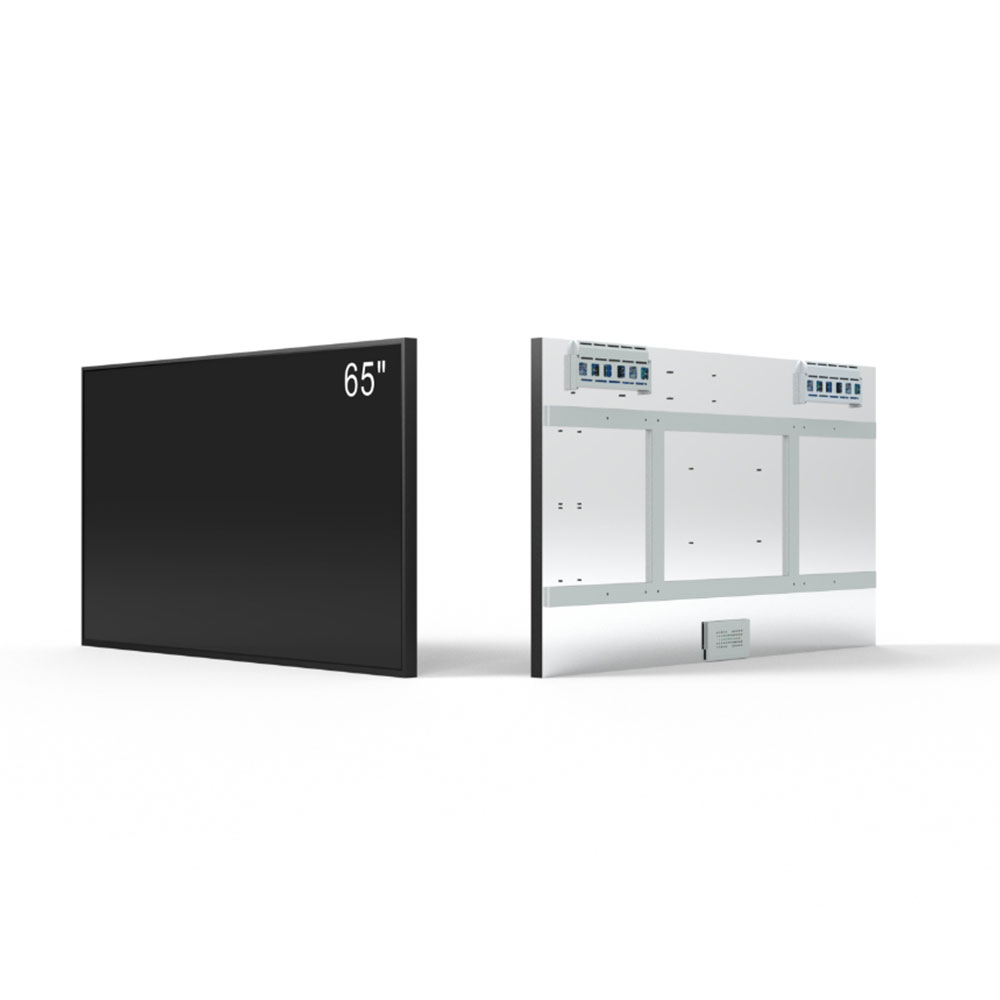
Designing sunlight-readable high-brightness LCD screens for harsh environments demands a deep understanding of both optical physics and industrial engineering. These displays must maintain clarity under direct sunlight—often exceeding 100,000 lux—while enduring extreme temperatures, vibrations, and humidity. Industry standards such as MIL-STD-810G and ISO 16750 guide durability testing, ensuring reliability in military, aerospace, and outdoor industrial applications.
A key factor is achieving peak brightness levels of at least 3,000 nits (cd/m²), with many high-end models reaching 5,000–10,000 nits. This is accomplished using advanced LED backlighting technologies like Edge-Lit or Direct-Lit systems, often combined with local dimming zones to optimize power efficiency without sacrificing visibility. For example, the Samsung LM245E series has demonstrated consistent performance above 5,000 nits even in desert conditions (tested per ASTM D1003-20).
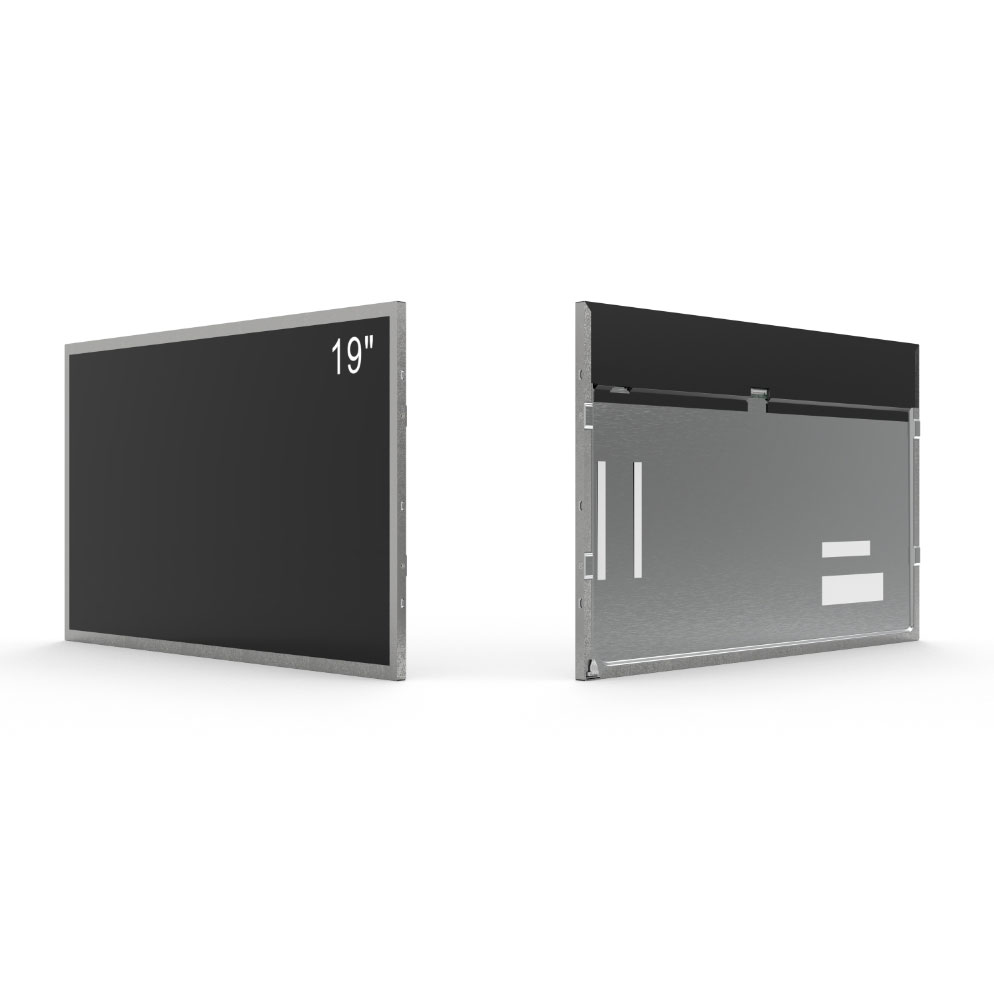
Another critical element is anti-glare and anti-reflective coatings applied to the front glass. These coatings reduce specular reflection by up to 90%, allowing users to read content in bright sunlight without squinting. Some manufacturers, like LG Display and Sharp, integrate nanostructured glass layers that scatter ambient light while preserving contrast ratios above 1000:1—a necessity for clear text and image fidelity under direct sun.
Additionally, thermal management is essential. High-brightness operation generates significant heat; thus, effective heat dissipation through aluminum frames or thermal interface materials (TIMs) prevents pixel degradation and extends screen life. Case studies from automotive dashboards in hot climates show that displays with integrated heatsinks last 3x longer than those without proper thermal design.
For ruggedized applications—such as oil rig controls or battlefield command units—IP65 or higher ingress protection ensures resistance to dust and water spray. Inclusion of wide viewing angles (>170° horizontal/vertical) and high refresh rates (≥60Hz) further enhances usability across diverse lighting and motion scenarios.
Ultimately, successful sunlight-readable displays are not just about raw brightness—they’re the result of an integrated system approach combining optoelectronics, mechanical design, environmental resilience, and real-world validation. Engineers must balance cost, performance, and longevity to deliver mission-critical visual interfaces in demanding environments.