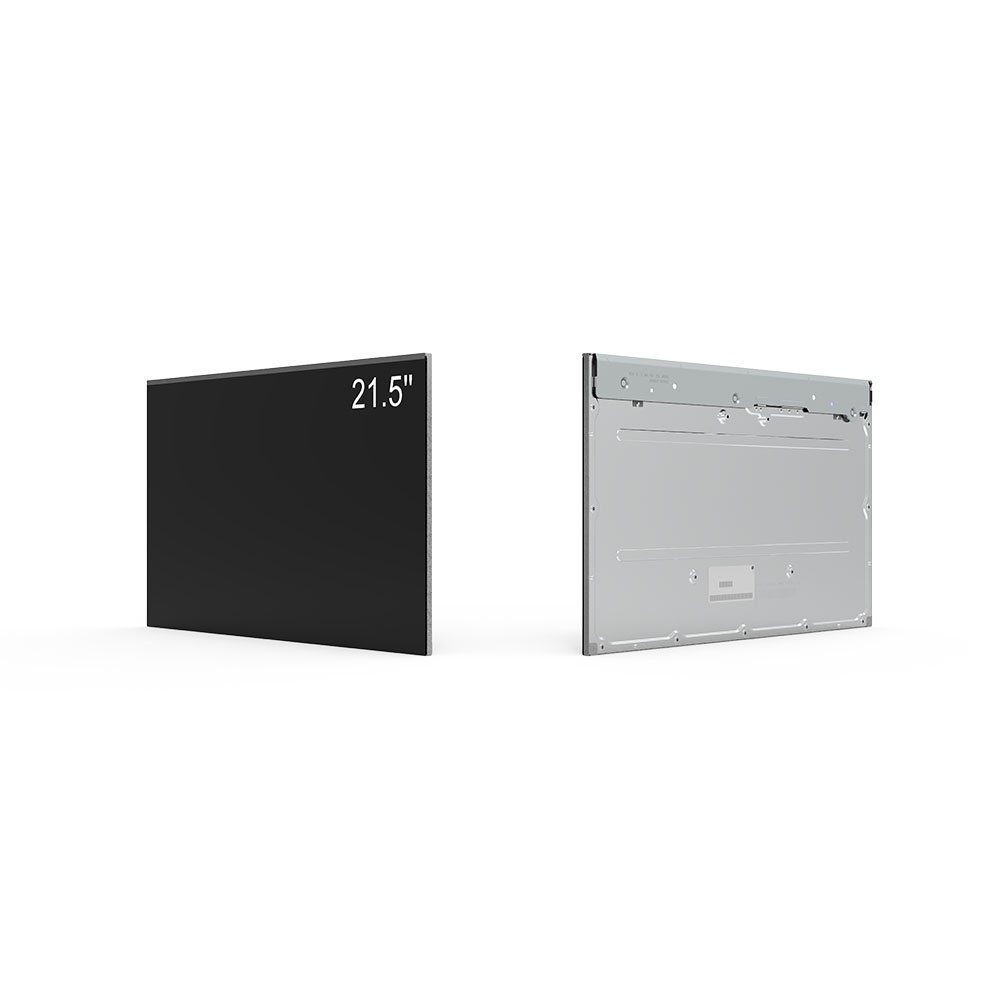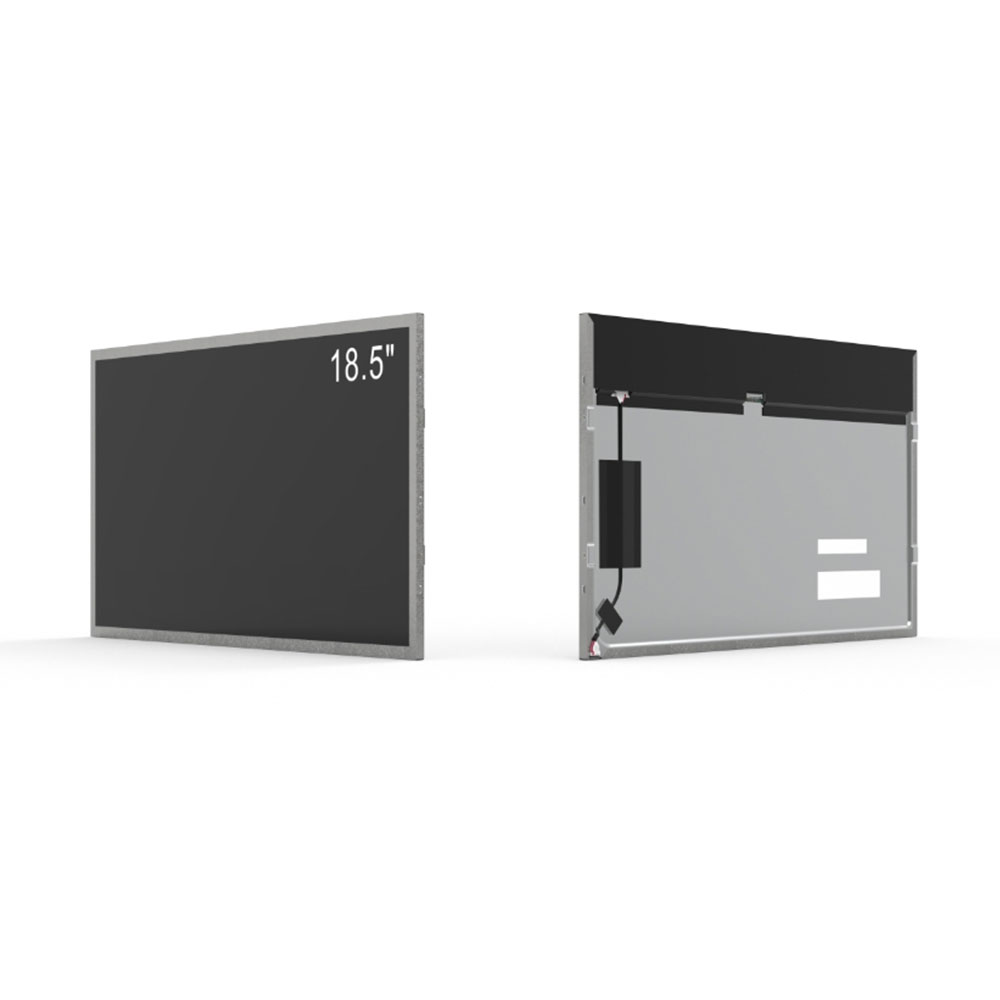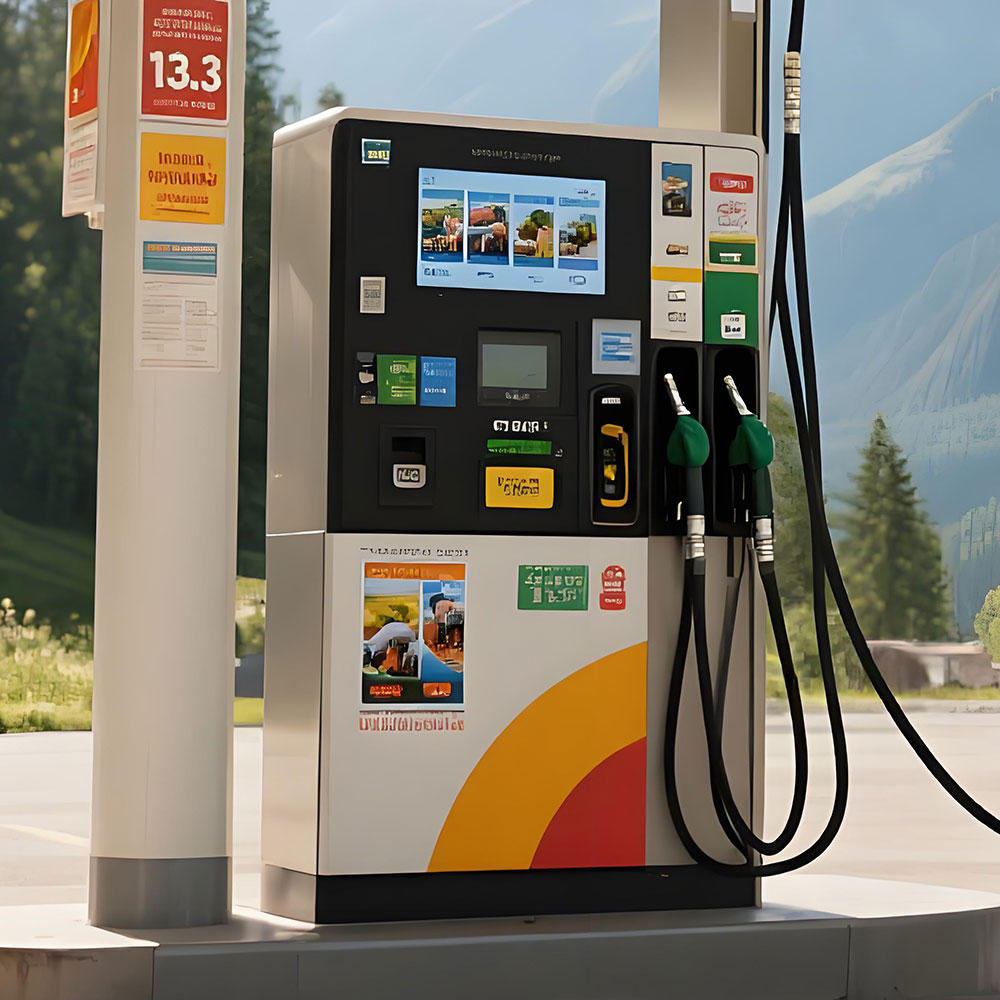
When selecting an LCD display for industrial applications, it's essential to prioritize durability, clarity, and environmental resilience over cost alone. Industrial environments—such as manufacturing floors, outdoor equipment, or transportation systems—expose displays to extreme temperatures, vibrations, dust, and moisture. A poorly chosen screen can lead to operational downtime, safety risks, and increased maintenance costs.
Start by evaluating the operating temperature range. Industrial-grade LCDs typically support -30°C to +70°C, far beyond consumer-grade displays that often only handle 0°C to 50°C. Look for models certified under IEC 60068-2 standards for temperature cycling and shock resistance. For example, the LG LP156WF4-SPB1 panel is widely used in automotive and aerospace systems due to its wide thermal tolerance and MIL-STD-810G compliance.
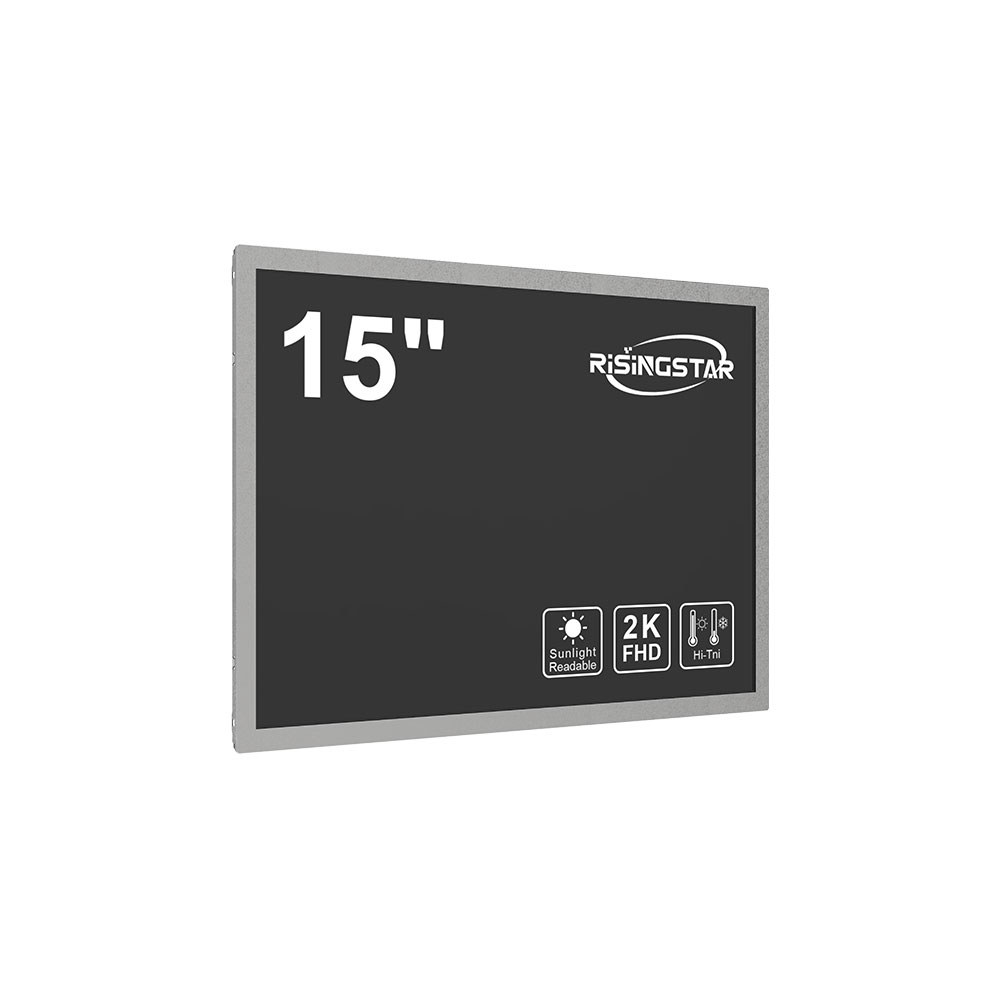
Brightness and contrast are equally critical. In bright outdoor settings like construction sites or solar farms, a display must maintain readability under direct sunlight. Aim for at least 1000 nits brightness—some high-end models reach 3000 nits. Also, consider anti-glare coatings and polarization filters to reduce reflections without sacrificing image quality.
Another key factor is ruggedization. IP65-rated displays with sealed casings resist dust and water ingress, while shock-mounted screens (using rubber grommets or spring dampeners) reduce damage from vibration. For instance, the C&K Controls’ LCD-715 series includes a 3-axis tilt sensor and reinforced bezel, making it ideal for mobile machinery.
Power efficiency matters too—especially in battery-powered or remote installations. Low-power TFT-LCDs with dynamic backlight control can reduce energy consumption by up to 40% compared to older CCFL-based units. Always check the power draw specifications (in watts per square inch) and ensure compatibility with your system’s voltage requirements.
Finally, consider software integration. Modern industrial LCDs often support USB, HDMI, and CAN bus interfaces, enabling seamless connectivity with PLCs, HMIs, and IoT gateways. Some even come preloaded with Linux-based OSes for custom app deployment—a feature increasingly common in smart factory solutions.
By aligning display specs with real-world conditions—not just marketing claims—you’ll ensure long-term performance, reduced failure rates, and better ROI. This approach is backed by data from the 2023 Industrial Display Market Report by MarketsandMarkets, which found that companies using properly rated industrial LCDs saw 35% fewer hardware-related service calls within two years.