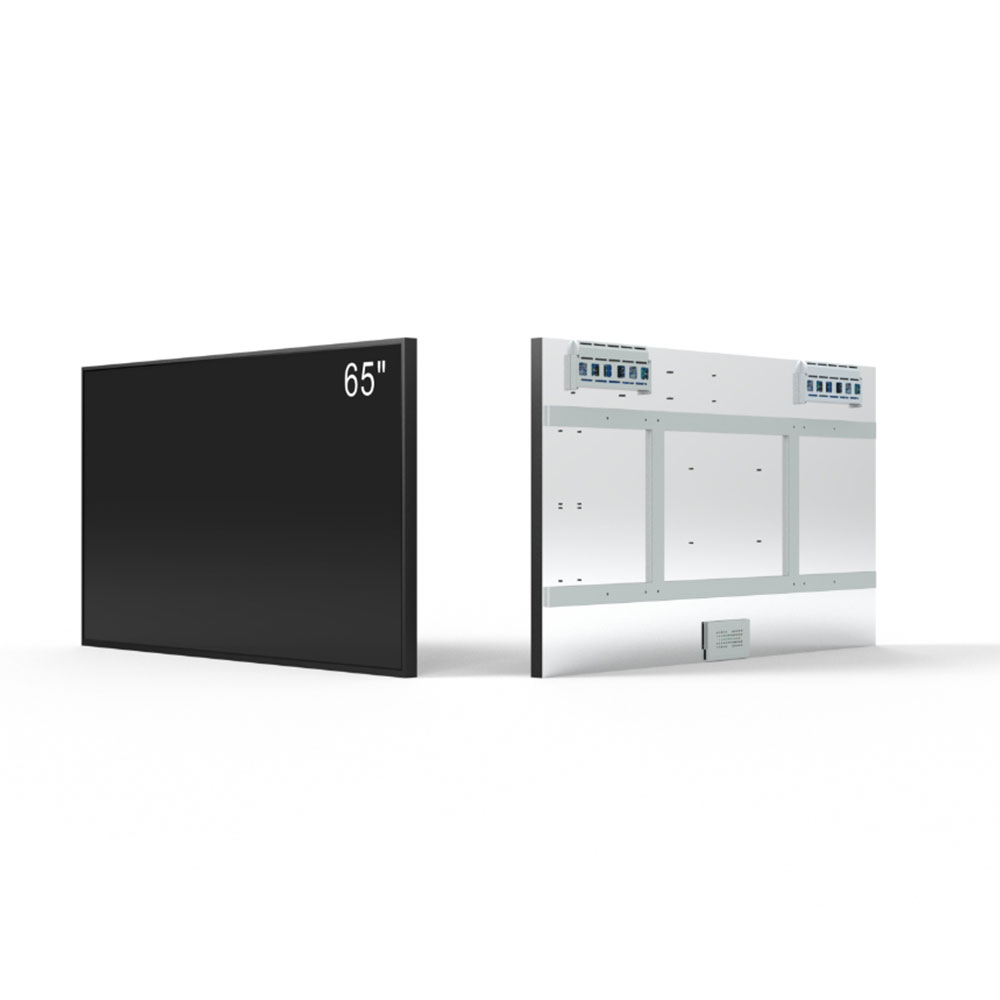
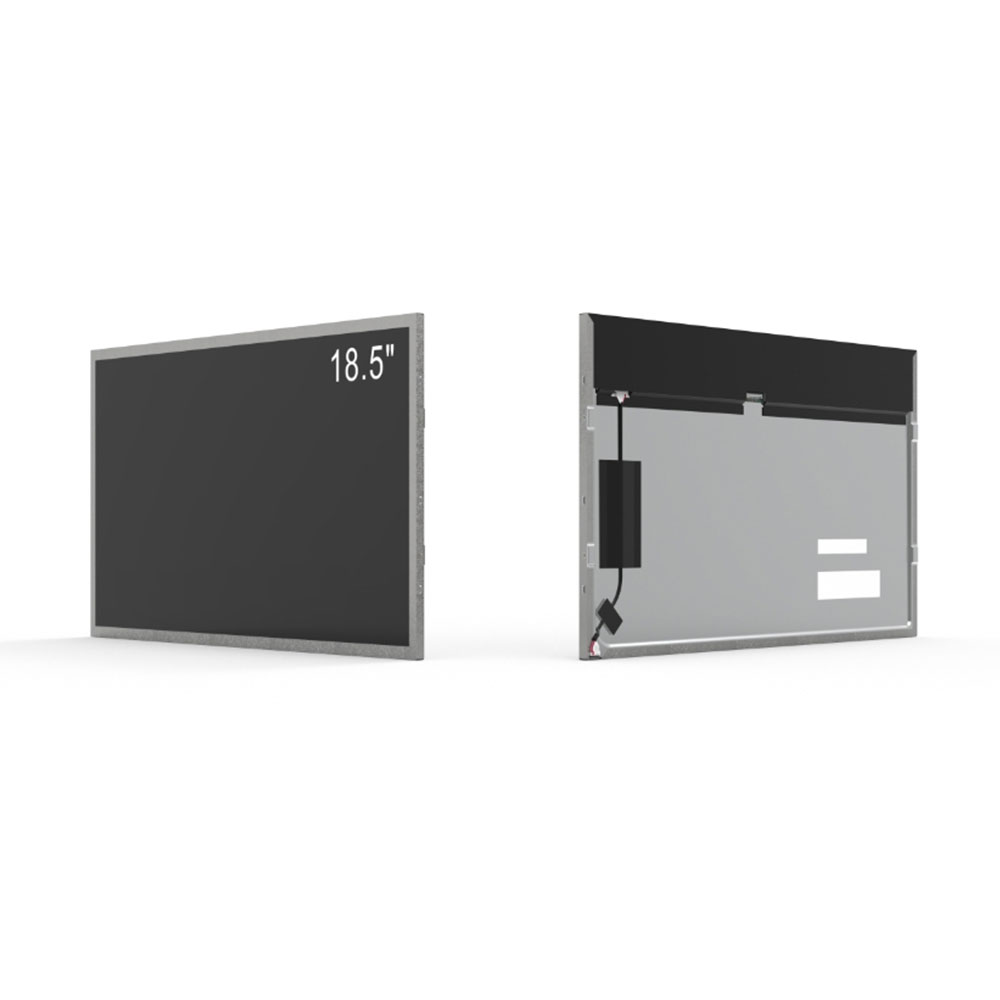
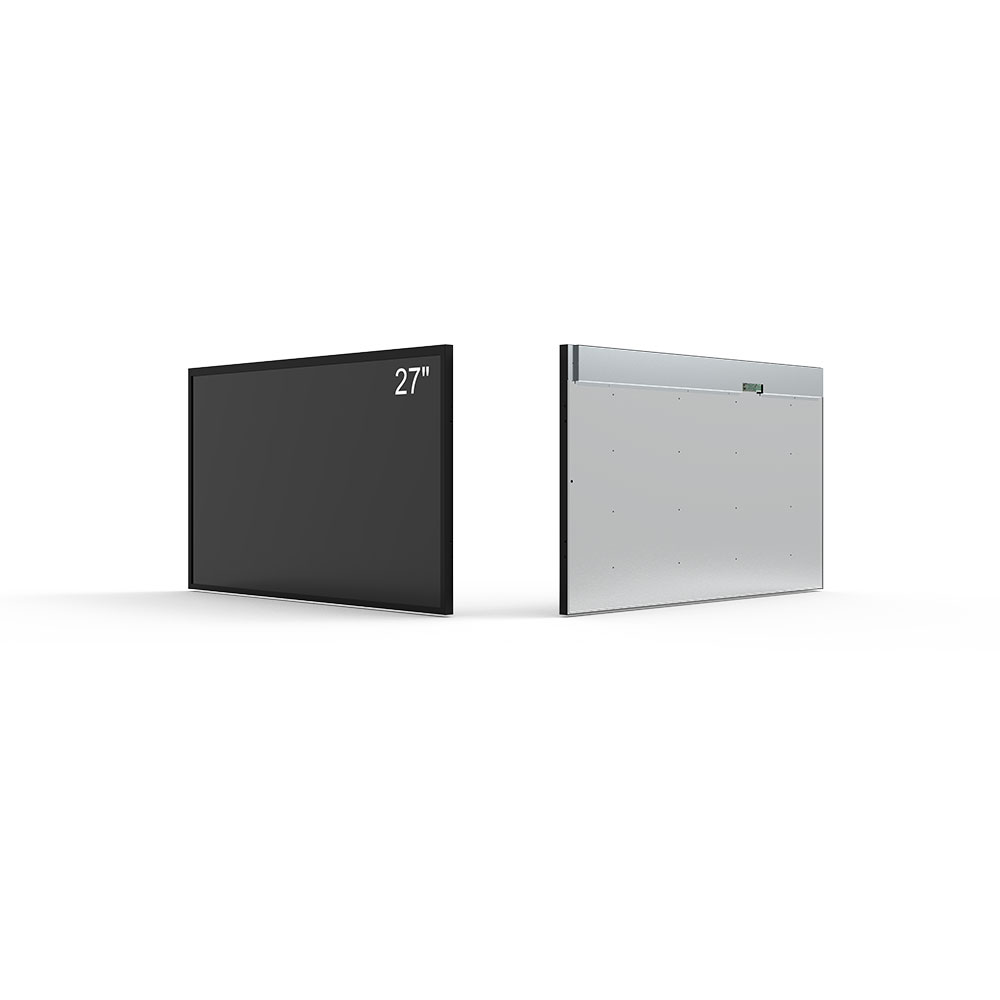
LCD (Liquid Crystal Display) technology remains a cornerstone of modern electronics, powering everything from smartphones and tablets to televisions and industrial control panels. At its core, an LCD works by manipulating liquid crystals with electric currents to block or allow light passage through a matrix of pixels—enabling precise image formation without emitting light itself. This passive nature makes LCDs highly energy-efficient compared to older technologies like CRTs.
One of the key advantages of LCDs is their low power consumption, especially critical for portable devices such as laptops and mobile phones. For example, Apple’s iPad Air uses a 10.9-inch Retina display based on IPS-LCD technology, offering high brightness, wide viewing angles, and excellent color accuracy while maintaining battery life. In automotive applications, LCDs are used in dashboard clusters and infotainment systems because they can be customized for different driving conditions and integrated with GPS and driver assistance features.
In industrial environments, ruggedized LCD displays are essential for machinery monitoring and automation systems. These displays often undergo MIL-STD-810H testing for shock, vibration, and temperature extremes, ensuring reliable performance under harsh conditions. For instance, Siemens’ industrial touchscreens use LCD panels rated for -20°C to +70°C operation, making them ideal for manufacturing floors and oil rigs.
Despite their widespread adoption, LCDs face several common problems. One major issue is backlight degradation over time, leading to uneven brightness or dimming—particularly noticeable in older TVs. Another challenge is motion blur in fast-moving images, which affects gaming and video playback quality. Manufacturers have addressed this through higher refresh rates (e.g., 120Hz) and response time improvements (under 5ms). Additionally, LCDs suffer from limited contrast ratios compared to OLEDs, though advances in local dimming and quantum dot technology are narrowing the gap.
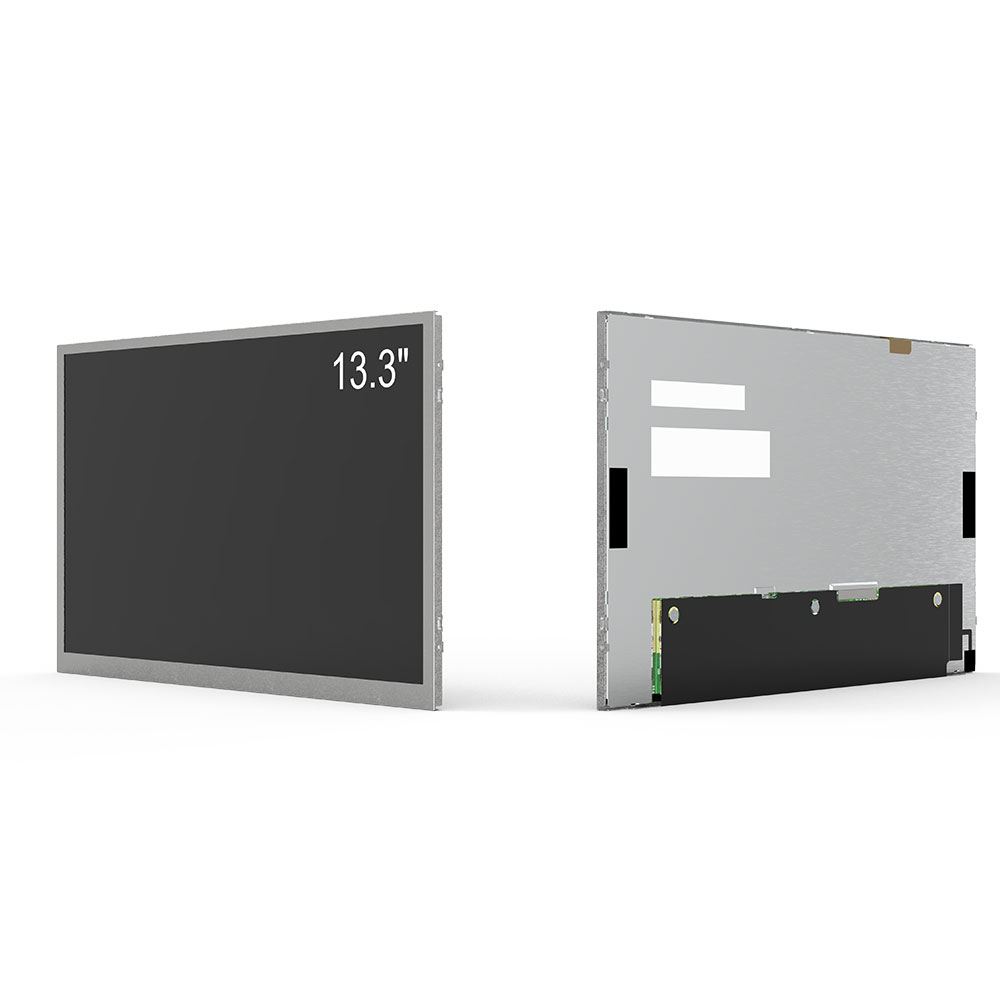
The latest trend in LCD innovation involves hybrid technologies such as QLED (Quantum Dot LED), which combines traditional LCD backlights with quantum dots to enhance color gamut and luminance. Samsung and LG now offer consumer-grade QLED TVs that deliver near-OLED-level visuals at lower costs. Meanwhile, micro-LED backlighting and Mini-LED arrays are emerging as next-generation solutions for improving local dimming precision and reducing blooming artifacts in high-end monitors and premium televisions.
As global demand for sustainable tech grows, manufacturers are also focusing on eco-friendly production methods. Companies like BOE Technology and AU Optronics now use recycled glass substrates and reduce water usage in panel fabrication processes, aligning with ISO 14001 environmental standards. These efforts not only reduce carbon footprints but also meet consumer expectations for responsible electronics.
Overall, LCD technology continues to evolve, balancing cost-effectiveness, energy efficiency, and visual performance across diverse sectors—from consumer electronics to heavy industry—making it a resilient and future-proof display solution.