Selecting the appropriate LCD display for industrial applications requires a deep understanding of both technical specifications and real-world performance demands. Unlike consumer-grade displays, industrial LCDs must operate reliably in extreme temperatures, high humidity, and high-vibration environments—conditions that can severely impact image clarity, response time, and longevity.
First, consider the operating temperature range. Industrial-grade LCDs typically support -30°C to +70°C, whereas consumer models often only function between 0°C and 50°C. For example, LG Display’s industrial series (such as the LTN101AT01) is rated for -40°C to +85°C, making it suitable for use in cold storage facilities or outdoor equipment exposed to direct sunlight.
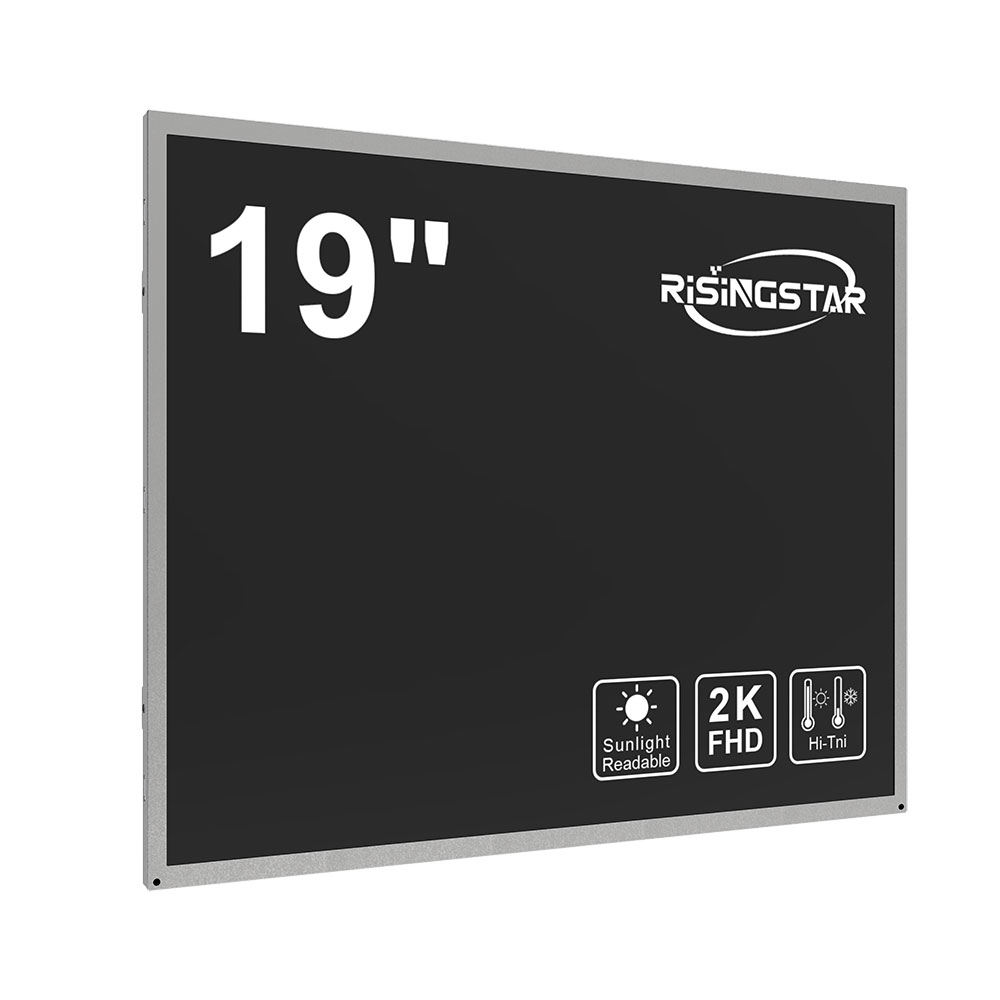
Second, evaluate brightness levels. In outdoor or brightly lit environments, displays need at least 1000 nits of brightness to remain legible. The standard for indoor use is 250–300 nits, but industrial settings such as manufacturing floors or construction sites require higher luminance. Sharp’s XG10S series, for instance, delivers up to 3000 nits, ensuring visibility even under harsh sunlight.
Third, examine the display’s durability. Look for features like anti-glare coatings, reinforced glass, and IP65 or higher ingress protection ratings. These help prevent damage from dust, moisture, and accidental impacts. A study by the IPC (Institute for Printed Circuits) found that over 60% of LCD failures in industrial systems were due to environmental contamination rather than component degradation.
Additionally, consider response time and refresh rate. Industrial automation systems, especially those involving robotics or process control, demand fast response times (under 10ms) to avoid motion blur or lag. Displays like the AU Optronics B101HAN01.1 offer a 5ms response time, ideal for dynamic control panels.
Finally, ensure compatibility with your system’s interface—whether LVDS, RGB, or MIPI. Many industrial customers report delays in deployment due to mismatched signal protocols. Consulting with vendors like Samsung Display or BOE Technology during the design phase can prevent costly rework.
By prioritizing these factors—temperature resilience, brightness, ruggedness, response speed, and interface compatibility—you’ll significantly enhance system reliability and reduce long-term maintenance costs in demanding industrial environments.