Selecting the appropriate LCD display for industrial applications requires a deep understanding of environmental conditions, operational demands, and technical specifications. Unlike consumer-grade displays, industrial LCDs must withstand extreme temperatures, humidity, vibration, and prolonged usage without performance degradation. According to a 2023 report by MarketsandMarkets, the global industrial LCD market is projected to reach $18.7 billion by 2028, driven by increasing automation in manufacturing, energy, and transportation sectors. This growth underscores the need for reliable, high-performance displays tailored to harsh environments.
When evaluating industrial LCDs, start by assessing operating temperature ranges. Standard displays often function between 0°C and 50°C, but industrial variants can operate from -40°C to +85°C. For example, the LG Philips LP156WX2-TL1 panel used in ruggedized control systems is rated for -30°C to +75°C and features enhanced thermal stability. Next, consider brightness and contrast ratios. Industrial settings—especially outdoor or high-glare environments—require luminance levels of at least 1000 nits, as specified in ISO 9241-302 standards for human-centered design in display systems. High contrast (e.g., 1000:1 or higher) ensures readability under varying lighting conditions.
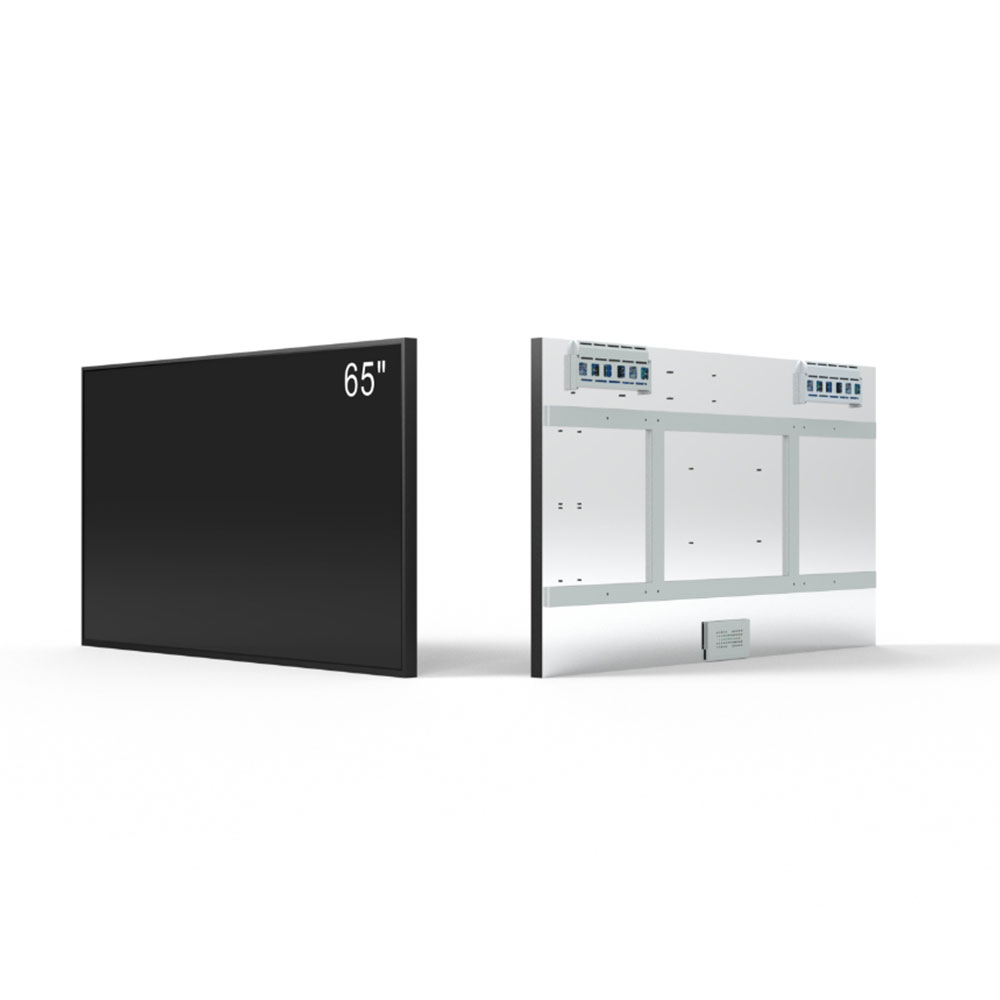
Durability is another critical factor. Look for displays with IP65 or higher ingress protection ratings, which protect against dust and water jets—essential for factory floors or mobile equipment. MIL-STD-810G compliance for shock and vibration resistance is also recommended, particularly in logistics or construction machinery. Additionally, LED-backlit panels with extended lifespans (over 50,000 hours) reduce maintenance costs and downtime, aligning with Total Cost of Ownership (TCO) principles outlined in the IPC-7711/7721 standard for electronics repair.
Display interfaces matter too. Industrial applications increasingly rely on LVDS, eDP, or MIPI DSI protocols for stable data transmission over long cables and noisy electrical environments. The use of resistive touchscreens (with glove compatibility) or capacitive multi-touch solutions enhances usability in dirty or hazardous settings. Real-world case studies, such as Siemens’ deployment of Sharp’s 10.4-inch LCD modules in oil rig monitoring systems, demonstrate how proper selection improves uptime and operator safety.
Finally, ensure vendor support includes long-term availability, firmware updates, and technical documentation. Companies like Samsung, LG, and Innolux offer lifecycle management programs that guarantee supply continuity for up to 10 years—a key advantage for embedded system integrators.