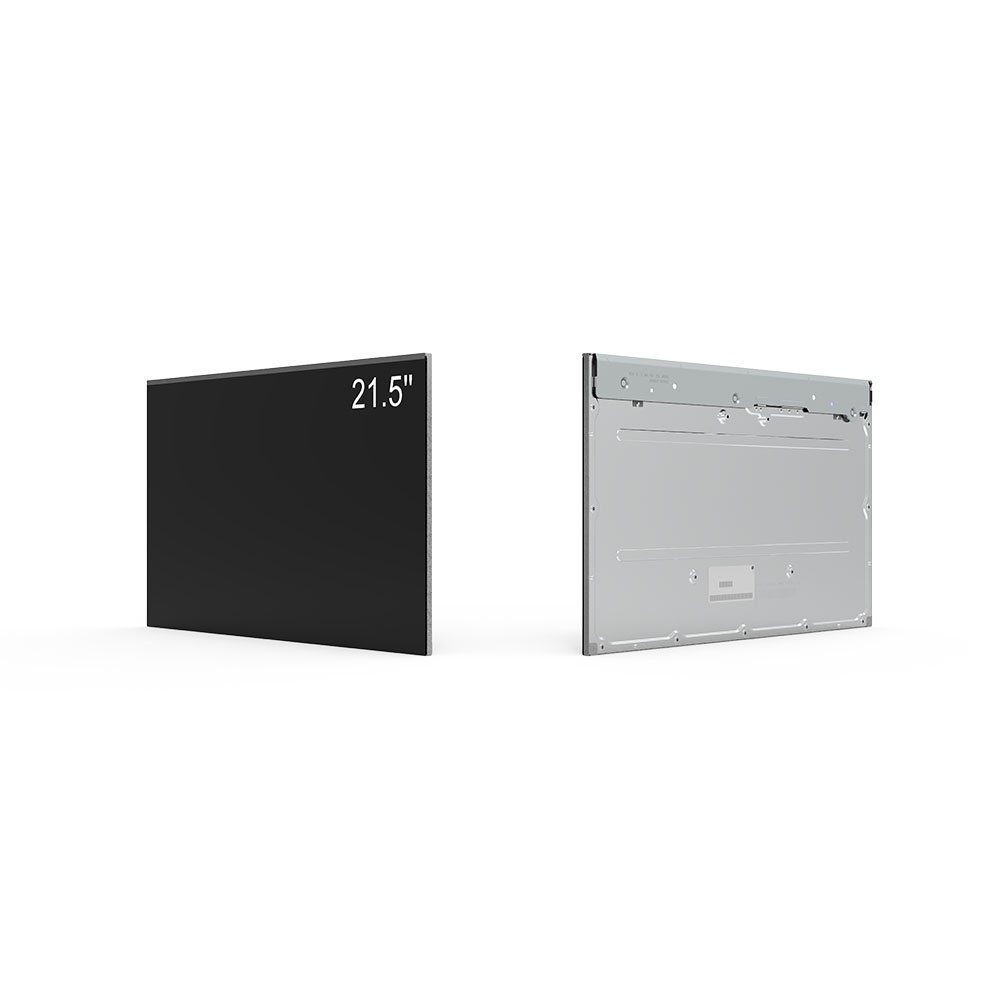
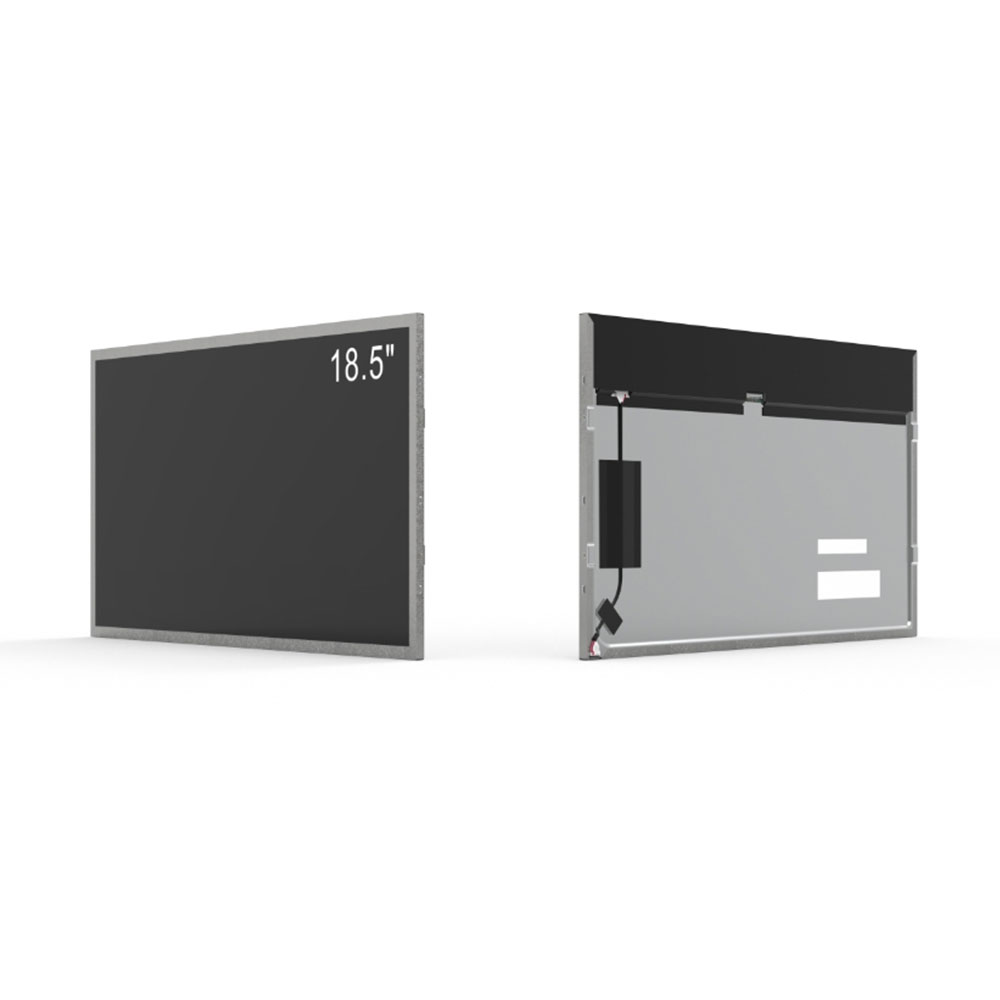
LCD (Liquid Crystal Display) technology remains a cornerstone of modern electronics, powering everything from smartphones and tablets to large-format televisions and industrial monitors. The manufacturing process for LCDs is a highly precise, multi-stage operation that requires stringent quality control to ensure optimal performance, longevity, and visual clarity.
The journey begins with the production of glass substrates—typically made from high-purity fused silica or borosilicate glass. These substrates are cleaned meticulously using ultrasonic baths and chemical treatments to remove contaminants that could affect pixel uniformity. Next, thin-film transistor (TFT) arrays are created using photolithography, where layers of amorphous silicon, gate insulators, and metal conductors are deposited and patterned with micron-level accuracy. This stage determines the display’s response time, resolution, and power efficiency.
After TFT fabrication, color filters and polarizers are laminated onto the substrates. Color filters, often made using photolithographic processes or inkjet printing, must be precisely aligned to avoid misregistration, which can cause image artifacts. Polarizers—usually two sheets placed on either side of the liquid crystal layer—are critical for controlling light transmission and enhancing contrast.

The liquid crystal material itself is carefully selected based on its electro-optical properties, such as viscosity, dielectric anisotropy, and response time. It is injected into the cell gap between the substrates under vacuum conditions to prevent bubbles, which could degrade image quality. Following sealing, the panels undergo rigorous testing—including pixel defect analysis, uniformity checks, and backlight consistency verification—to meet industry standards like ISO 9001 and IEC 60068 for environmental resilience.

Advanced manufacturers also employ automated optical inspection (AOI) systems that use machine vision to detect defects invisible to the human eye. These systems analyze millions of pixels per second, flagging issues like dark spots, brightness non-uniformity, or dead pixels. Additionally, thermal cycling and humidity tests simulate real-world conditions to validate long-term reliability—a key factor in automotive, medical, and aerospace applications.
For global consumers, compliance with standards such as RoHS (Restriction of Hazardous Substances) and WEEE (Waste Electrical and Electronic Equipment) ensures environmental safety and recyclability. Leading manufacturers like LG Display, BOE Technology, and Sharp continuously invest in R&D to improve yield rates, reduce energy consumption, and enhance display technologies like OLED-LCD hybrids and mini-LED backlights.
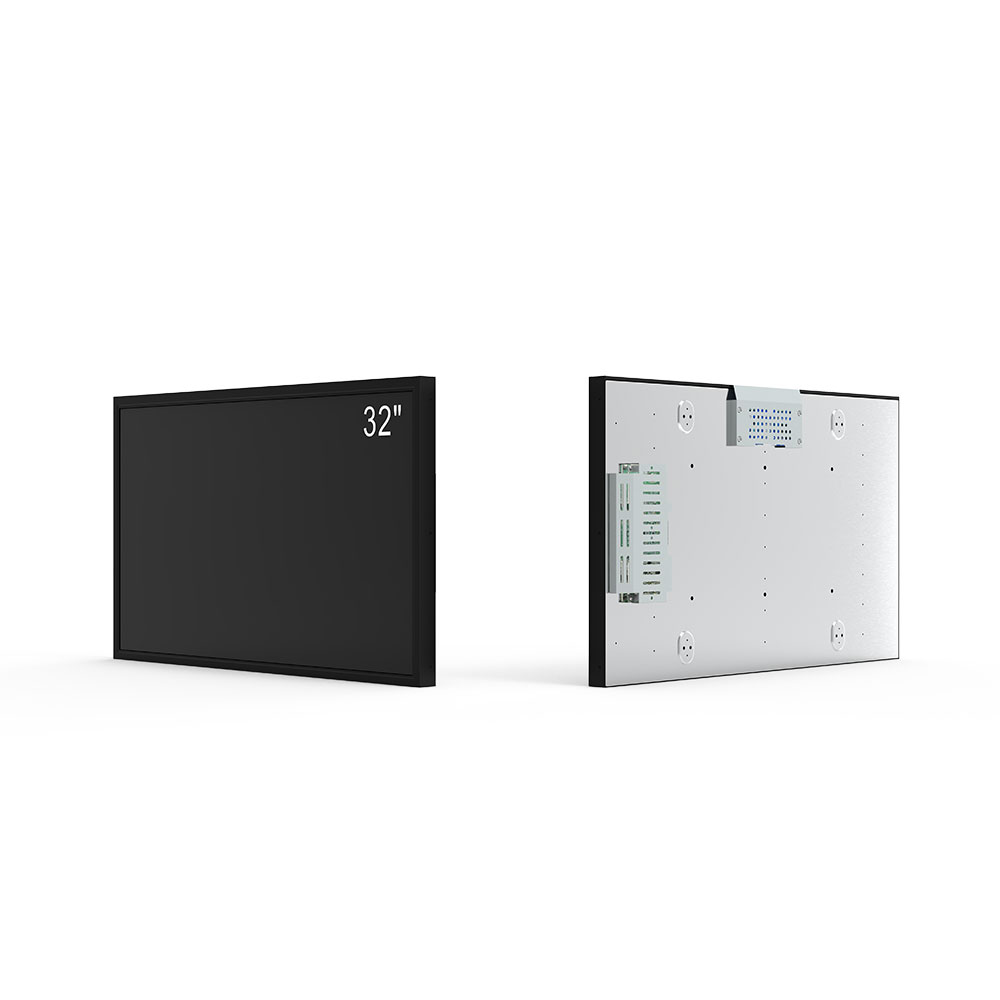
In conclusion, the success of any LCD product hinges not only on design innovation but also on robust manufacturing protocols and adherence to international quality benchmarks. As demand grows for higher-resolution, lower-power displays across consumer and professional markets, understanding these processes is essential for engineers, procurement teams, and product designers alike.