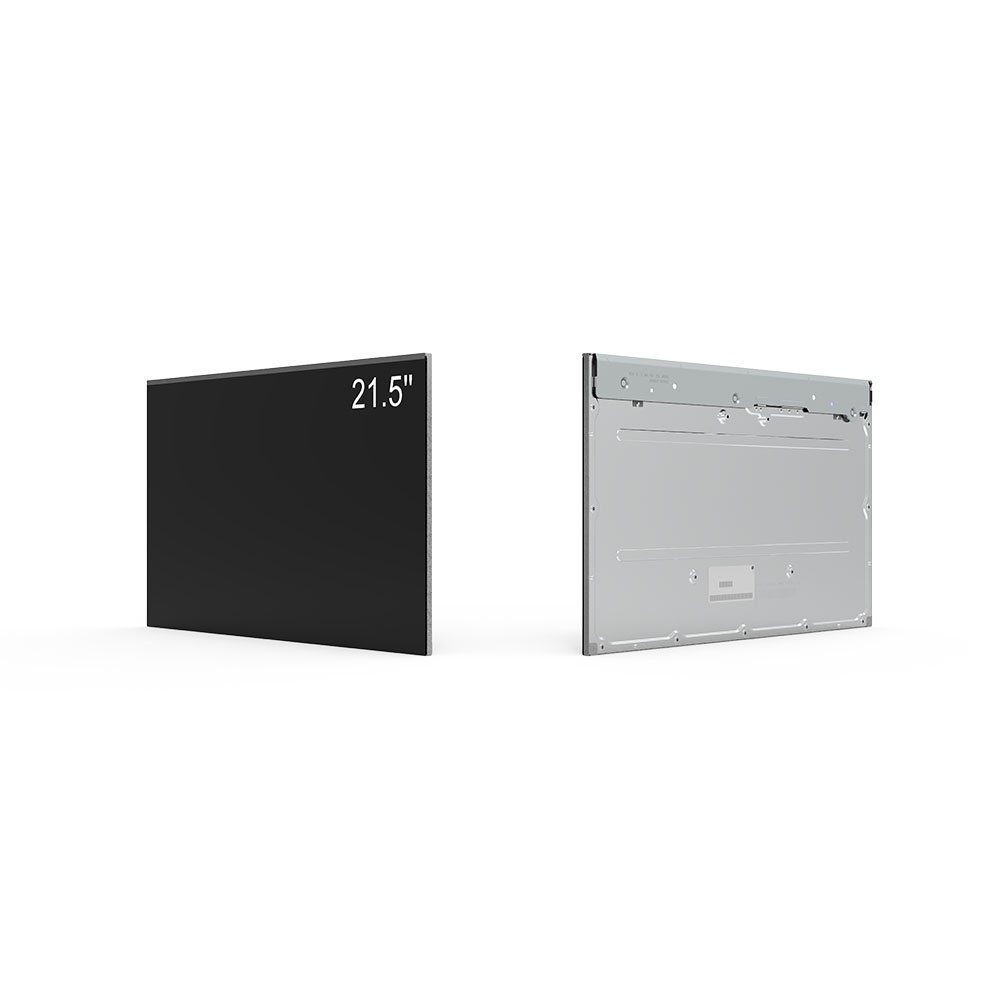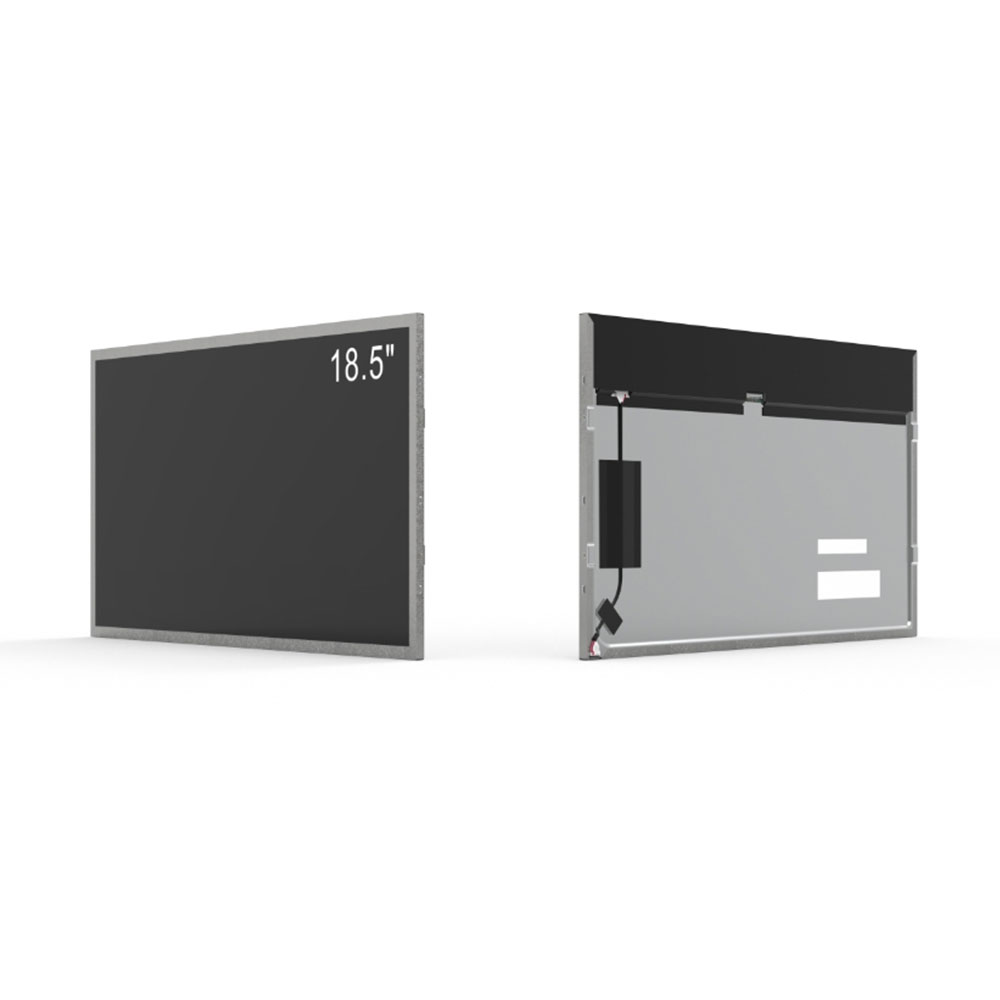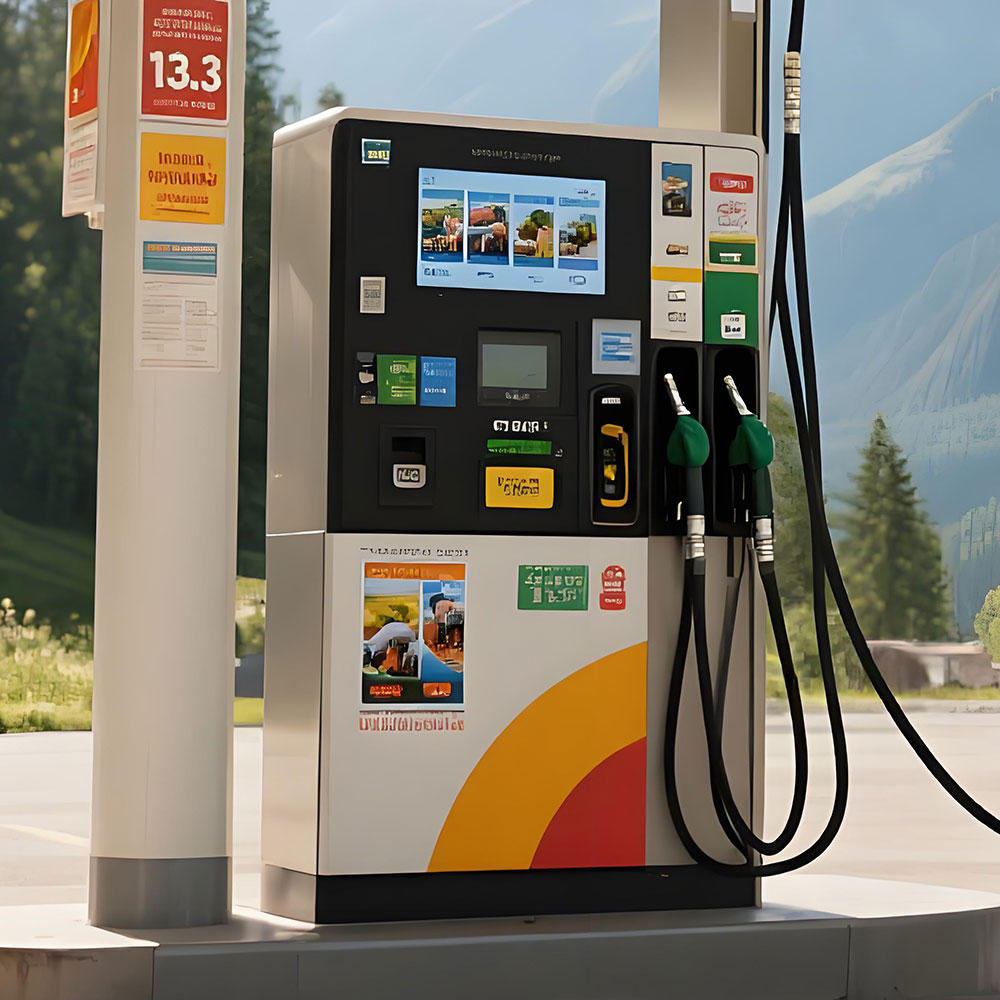
When selecting an LCD display for industrial applications, it's crucial to consider environmental conditions, longevity, and operational reliability. Unlike consumer-grade displays, industrial LCDs must withstand extreme temperatures, humidity, vibration, and dust—factors that can severely impact performance and lifespan. According to a 2023 report by MarketsandMarkets, the global industrial display market is projected to reach $12.5 billion by 2028, driven by automation in manufacturing, logistics, and energy sectors. This growth underscores the need for informed decision-making when choosing LCD technology.
First, evaluate the operating environment. Industrial settings such as oil rigs, warehouses, or factory floors often expose displays to ambient temperatures ranging from -30°C to +70°C. In such cases, use wide-temperature LCD modules with active matrix TFT (Thin-Film Transistor) panels, which offer superior contrast ratios and faster response times than passive matrix types. For example, the LG Electronics LQ104V1LG11, widely used in automotive and medical devices, supports extended temperature ranges and has been tested under MIL-STD-810G standards for ruggedness.
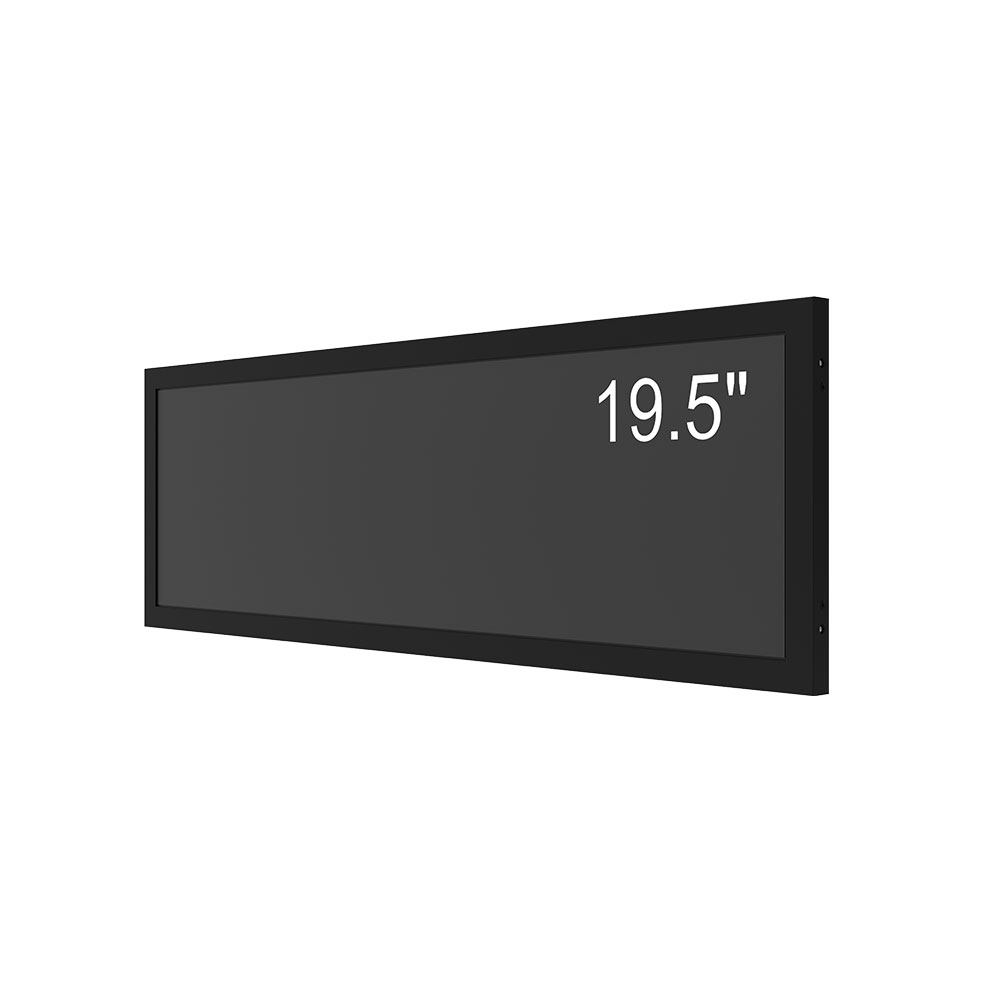
Second, consider brightness and visibility. In outdoor or high-glare environments, standard 300–500 cd/m² brightness may be insufficient. Industrial-grade displays should ideally exceed 1000 cd/m², especially those using anti-reflective coatings and polarized glass. A study by Display Supply Chain Consultants (DSCC) found that displays with 1500 cd/m² brightness maintained readability even under direct sunlight—a critical feature for field equipment like portable scanners or construction machinery control units.
Third, assess power consumption and thermal management. Many industrial systems operate on limited power sources or in enclosed spaces where heat dissipation is challenging. Low-power LCDs with LED backlighting (typically 2–5W per unit) are preferable over older CCFL backlights. Additionally, integrated heat sinks or fanless designs improve long-term reliability. The Panasonic VESA-compatible 12.1-inch LCD, used in embedded control systems, features a passive cooling design rated for 24/7 operation without thermal shutdowns.
Finally, ensure compatibility with existing hardware and software ecosystems. Industrial users often integrate LCDs into PLC-based systems, SCADA networks, or IoT gateways. Therefore, look for displays supporting standard interfaces like LVDS, MIPI DSI, or HDMI, and verify firmware support for real-time updates. Brands like Eizo and Sharp provide SDKs and technical documentation to ease integration into complex industrial setups.
In summary, choosing the right industrial LCD involves more than just screen size or resolution—it requires understanding your application’s unique constraints and matching them with robust, certified components. By prioritizing temperature resilience, brightness, power efficiency, and interface compatibility, engineers can select displays that enhance system uptime and reduce maintenance costs over time.