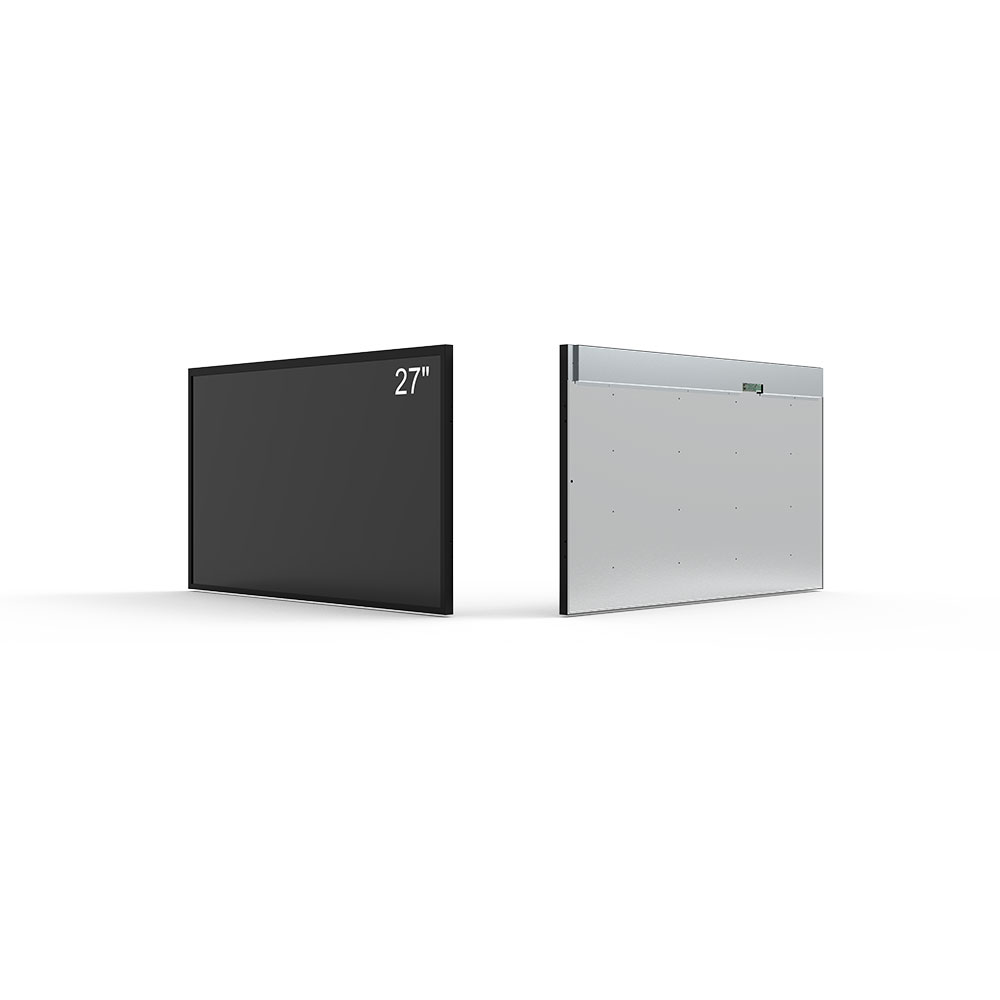
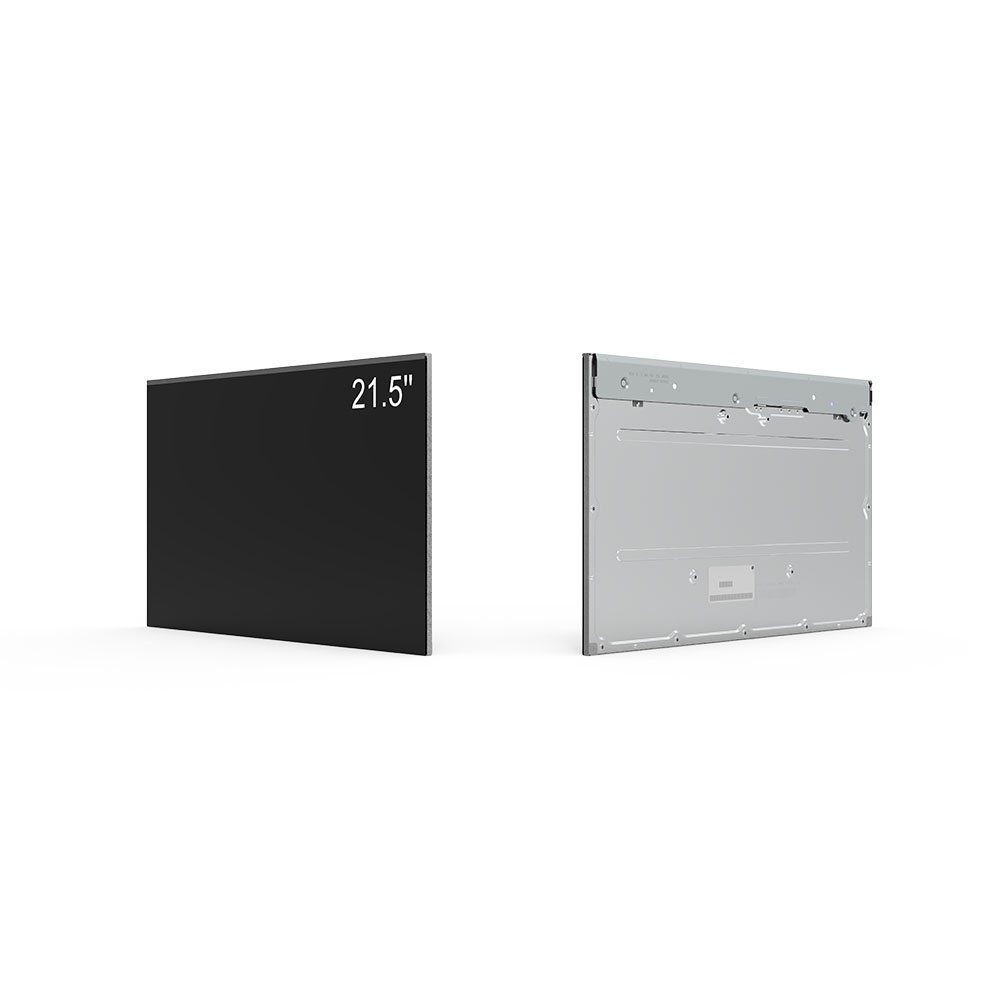
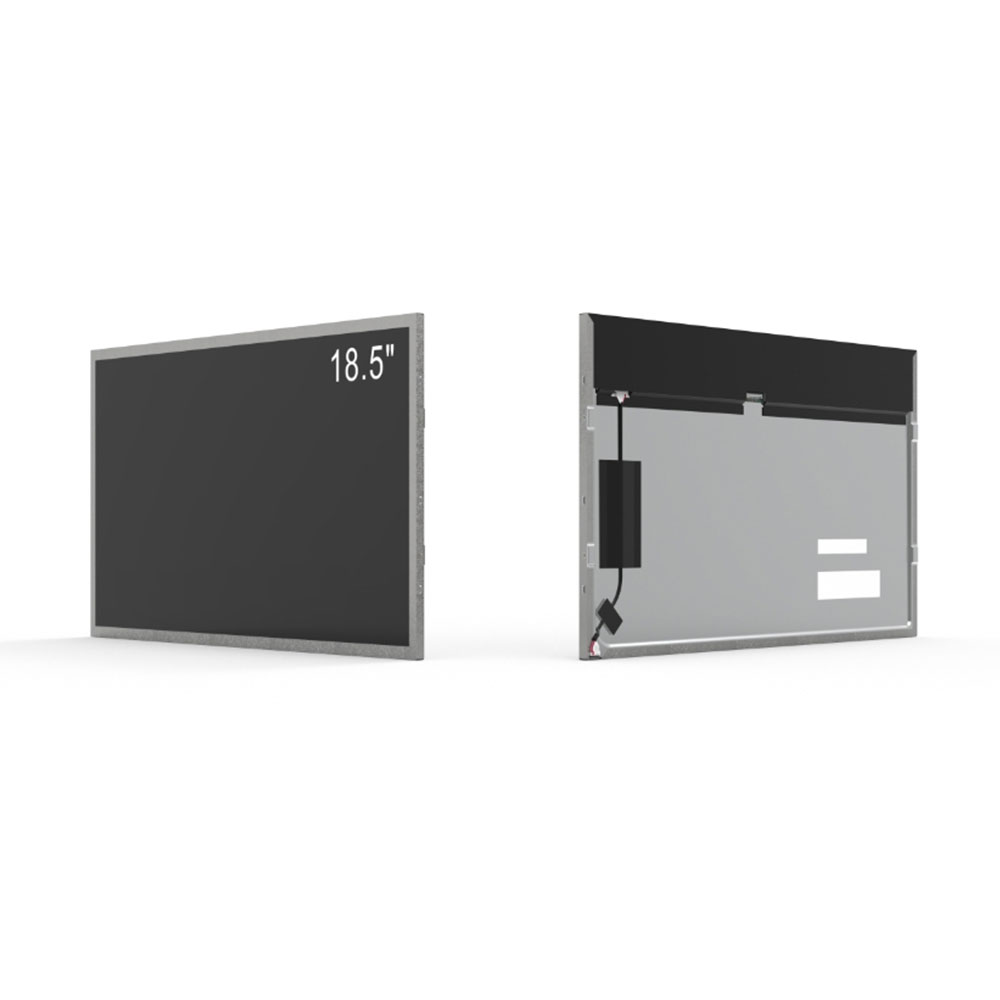
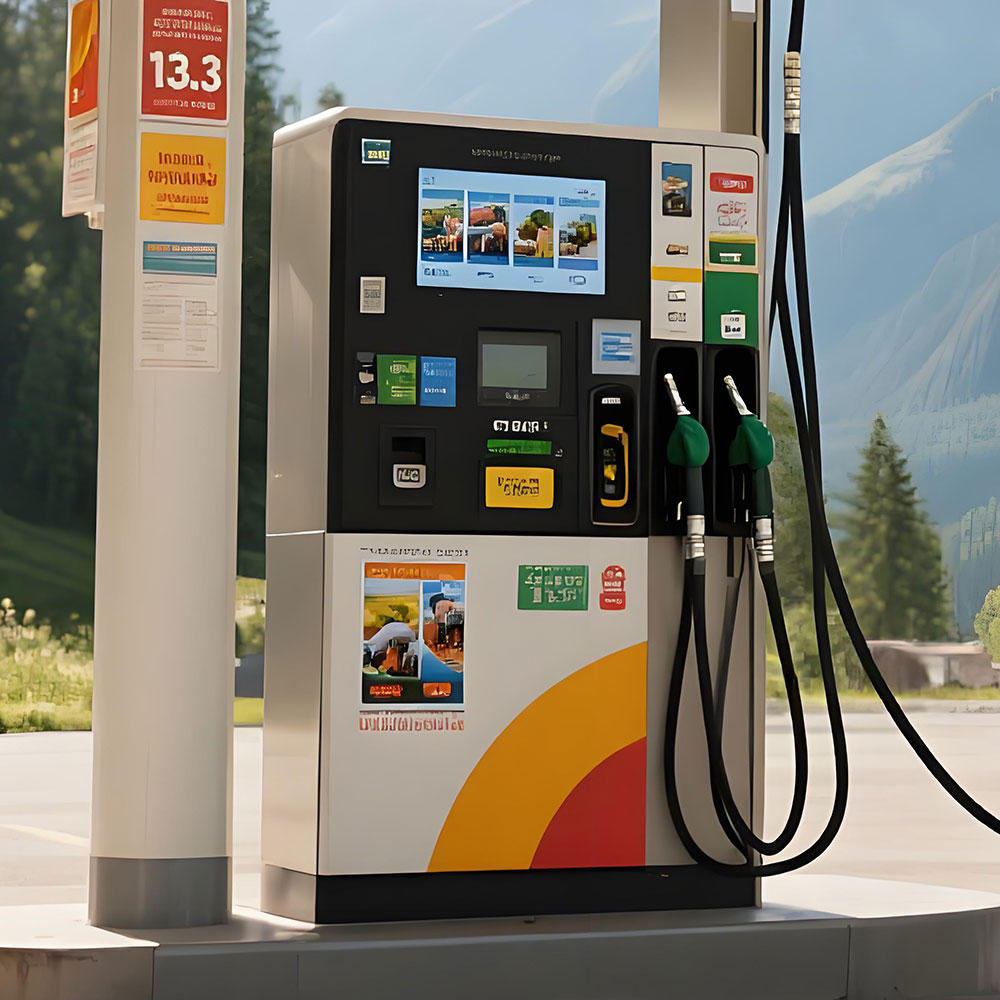
When selecting an LCD display for industrial equipment applications, manufacturers and distributors must prioritize durability, clarity, environmental resilience, and compatibility with existing systems. Unlike consumer-grade displays, industrial LCDs are expected to operate reliably in extreme conditions—from high humidity and temperature fluctuations to vibration and electromagnetic interference. For overseas equipment manufacturers or distributors sourcing components globally, understanding these technical specifications is critical to ensuring product performance, minimizing field failures, and maintaining brand reputation.
First, consider the display’s operating temperature range. Industrial-grade LCDs typically support wide operational temperatures from -30°C to +70°C, whereas commercial panels may only function within 0°C to 50°C. This ensures stability in harsh environments such as outdoor machinery, oil rigs, or cold storage facilities. According to a 2023 report by IHS Markit, over 60% of industrial display failures stem from thermal stress—underscoring the importance of certified wide-temperature operation.
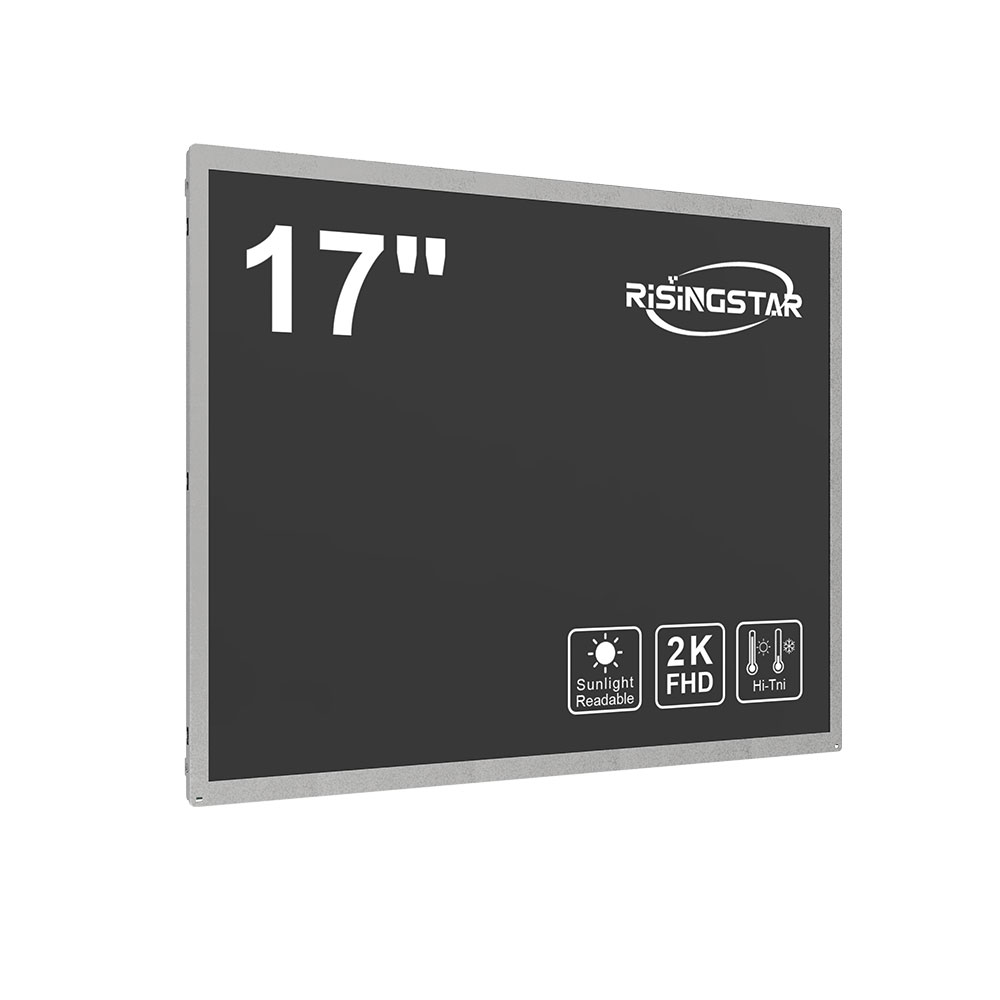
Second, evaluate brightness and viewing angles. A minimum of 1000 nits is recommended for outdoor or brightly lit indoor applications (e.g., factory floors). High-brightness IPS panels, such as those from LG Display or BOE Technology, offer superior color accuracy and wide viewing angles (typically 85° horizontal and vertical), which improves usability for multiple operators.
Third, assess mechanical robustness. Industrial displays often use reinforced glass (like Gorilla Glass) and IP65 or higher ratings to resist dust and water ingress. These features are essential for applications in food processing, mining, or marine environments where cleanliness and moisture resistance are non-negotiable.
Finally, ensure compatibility with industrial communication protocols such as RS-485, CAN bus, or LVDS interfaces. Many overseas distributors face integration challenges when mismatched signal standards cause latency or data loss. Working with suppliers who provide full documentation—including datasheets, firmware libraries, and EMI compliance reports—reduces development time and risk.
In summary, choosing the right industrial LCD isn’t just about screen size or resolution—it’s about system-level reliability. By focusing on temperature resilience, brightness, physical protection, and interface compatibility, global manufacturers can deliver robust, long-lasting solutions that meet international standards like EN 60068-2 for environmental testing.