
How to Choose the Right LCD Display for Industrial Applications
When selecting an LCD display for industrial applications, it's essential to consider factors such as environmental resilience, operational reliability, and long-term maintainability. Unlike consumer-grade displays, industrial LCDs must withstand harsh conditions including extreme temperatures, humidity, dust, and mechanical vibrations. A well-chosen display ensures consistent performance in critical environments like manufacturing plants, oil rigs, medical devices, and transportation systems.
The first step is to define the application environment. For instance, if the display will operate in a cold storage facility, a wide operating temperature range—typically from -30°C to +70°C—is necessary. Similarly, for outdoor or mobile equipment, a high-brightness screen (at least 1500 nits) with anti-glare coating is crucial for visibility under direct sunlight. Manufacturers often specify these parameters in datasheets; always verify them against real-world usage scenarios.
Next, evaluate the display’s durability. Look for industrial-grade panels certified to standards such as IP65 (dust and water resistance), MIL-STD-810G (vibration and shock resistance), and IEC 60068 (environmental testing). These certifications ensure that the display can endure continuous operation without degradation over years of service. Additionally, consider the backlight type—LED backlights are more energy-efficient and longer-lasting than CCFL, especially in power-constrained settings.
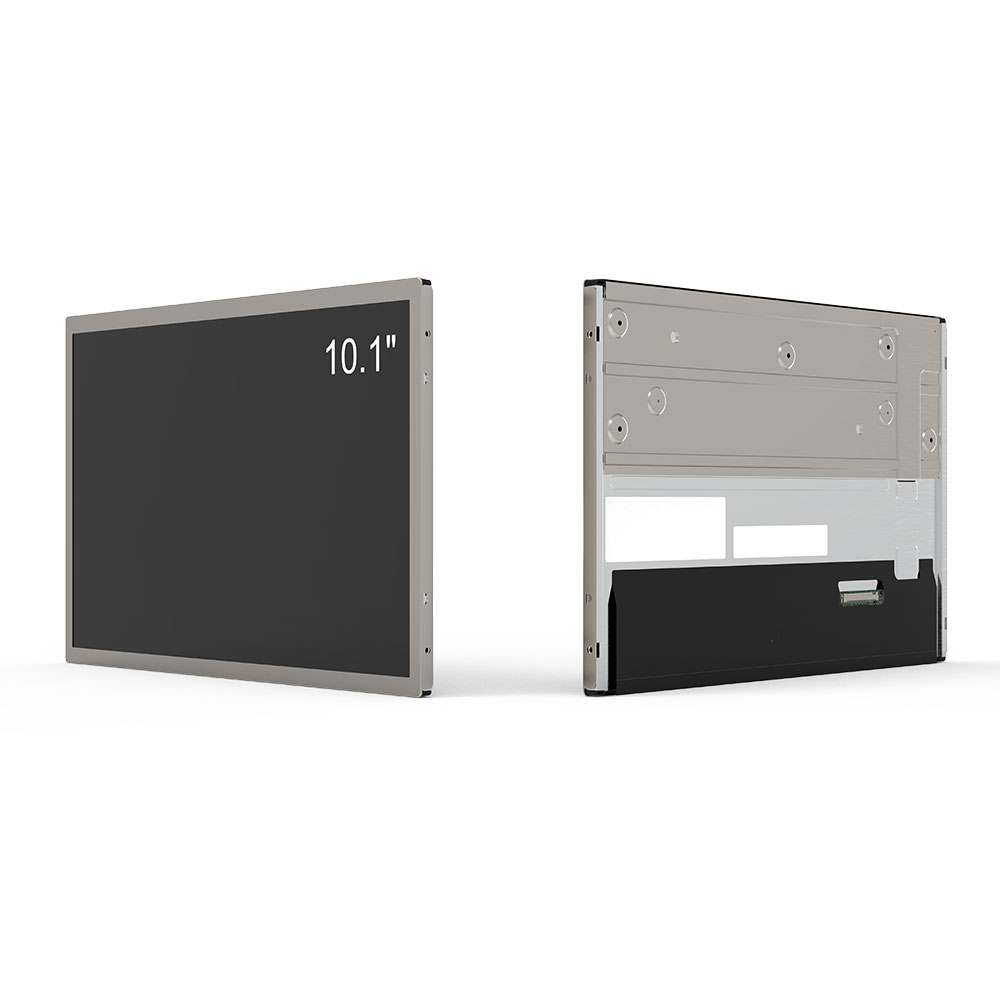
Display resolution and interface compatibility are also key. While higher resolutions (like 1024x768 or 1920x1080) offer better clarity, they may not always be necessary for simple control interfaces. Matching the display’s input interface (LVDS, MIPI, HDMI, or VGA) with your system’s output port avoids costly redesigns. Some manufacturers now offer modular designs that simplify integration into existing control units.
Finally, examine the supplier’s support ecosystem. Industrial-grade displays require long-term availability (often 10+ years), detailed technical documentation, and responsive customer service. Companies like LG, Sharp, and Eizo specialize in this segment and provide comprehensive solutions backed by global service networks.
In conclusion, choosing the right LCD for industrial use involves balancing performance, durability, and compatibility. By prioritizing environmental specifications, certification compliance, and vendor support, engineers can significantly reduce downtime and increase system longevity across demanding applications.