
How to Choose the Right LCD Panel for Industrial Applications
Selecting the appropriate LCD panel for industrial applications requires a thorough understanding of environmental conditions, operational demands, and long-term reliability. Unlike consumer-grade displays, industrial LCDs must withstand extreme temperatures, vibration, humidity, and prolonged use without degradation in performance. According to a 2023 report by Market Research Future, the global industrial display market is projected to exceed $15 billion by 2028, driven by increasing automation in manufacturing, transportation, and energy sectors.
Key factors to consider include brightness levels—industrial panels often require at least 1000 nits to remain visible under direct sunlight or harsh lighting. Contrast ratios should be high (typically 1000:1 or higher) to ensure image clarity in varied lighting environments. In addition, wide viewing angles (178° horizontal and vertical) are essential for multi-user setups or installations where users may not be directly in front of the screen.
Panel technology matters significantly. TN (Twisted Nematic) panels offer fast response times but limited viewing angles and color accuracy—suitable for basic control interfaces. IPS (In-Plane Switching) panels provide superior color reproduction and wide viewing angles, making them ideal for diagnostic screens or medical devices. VA (Vertical Alignment) panels strike a balance between contrast and cost, though they can suffer from slower response times. For mission-critical applications like aviation or defense systems, OLED-based panels are gaining traction due to their deep blacks and instant pixel response, though they come at a premium price.
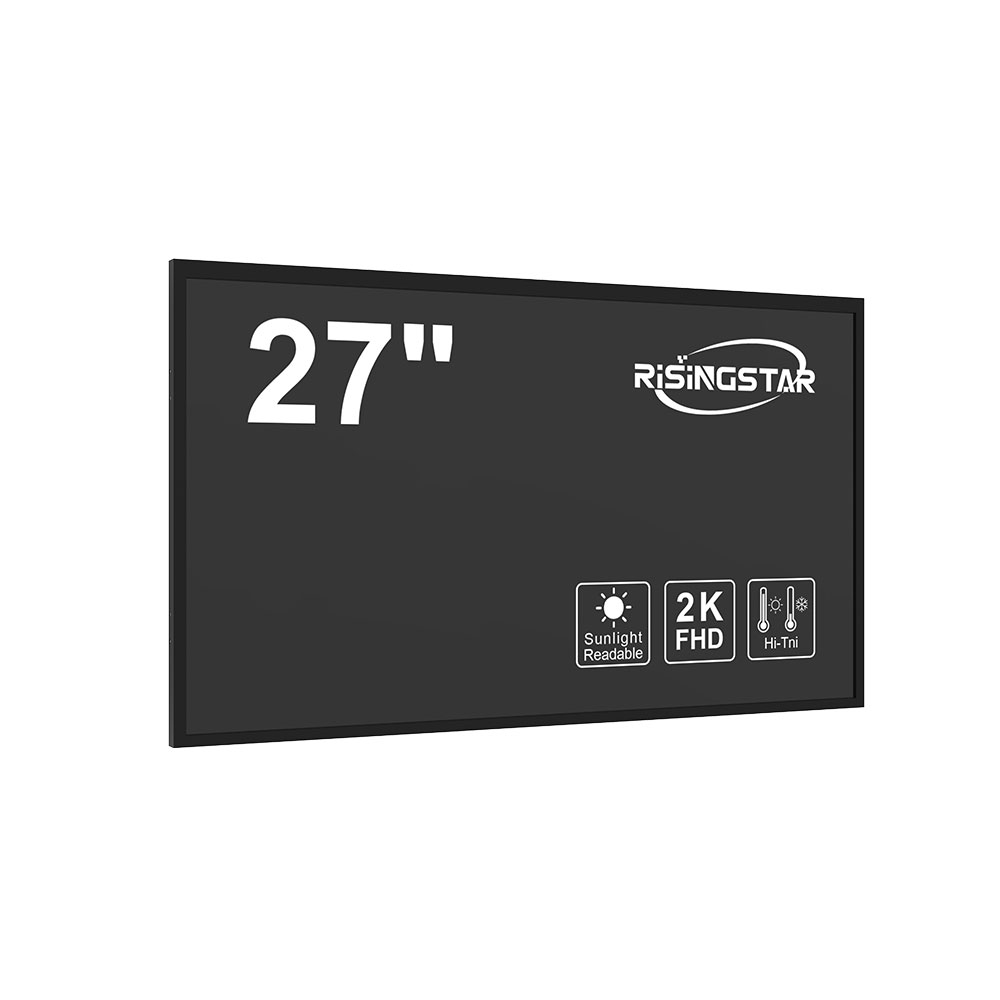
Environmental durability is non-negotiable. Look for panels with IP65 or higher ratings for dust and water resistance, especially in outdoor or factory settings. Operating temperature ranges should span from -30°C to +70°C, as defined by IEC 60068 standards. Additionally, MIL-STD-810G certification ensures the panel can endure shock, vibration, and thermal cycling—critical for mobile or ruggedized equipment.
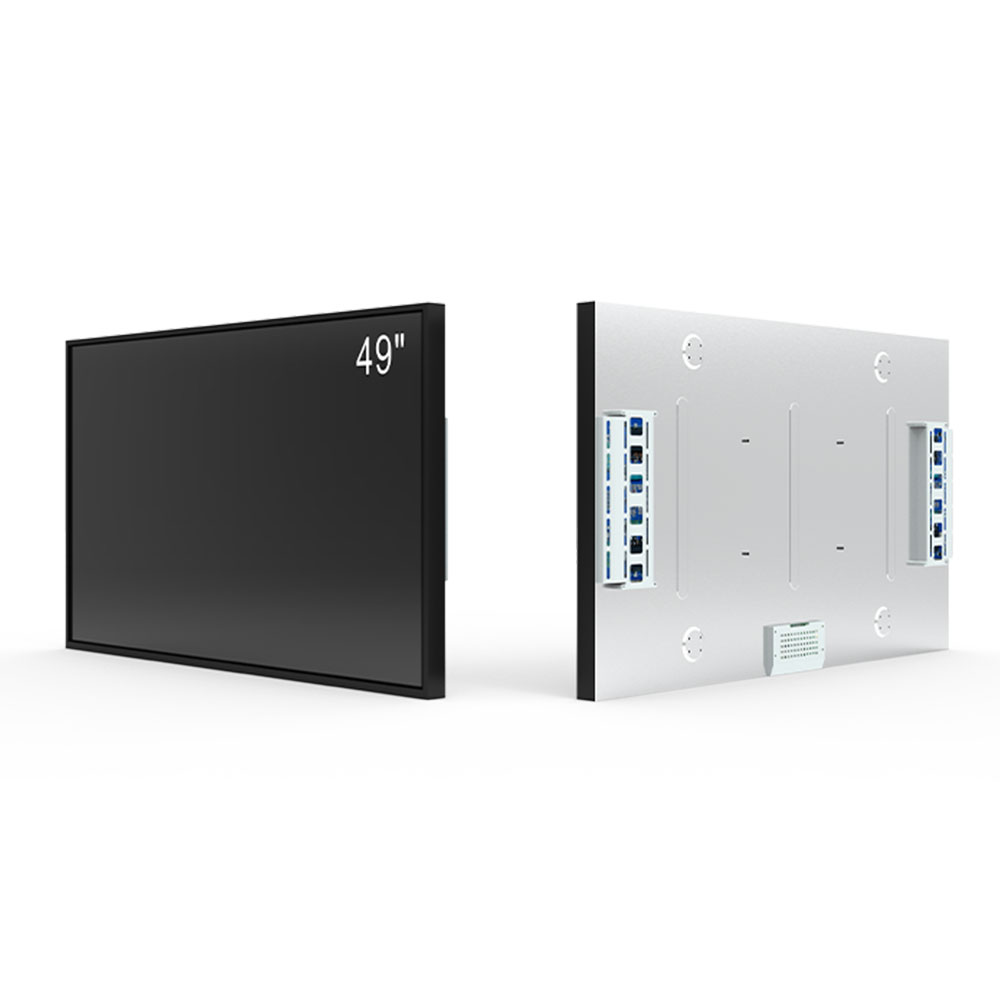
Manufacturers like LG Display, Sharp, and Innolux have established reputations for producing high-reliability industrial-grade panels. For example, LG’s LTN156AT04 V1 has been widely adopted in automotive dashboards due to its 1000 nits brightness, 1000:1 contrast, and wide operating temperature range. Customer reviews on platforms like Digi-Key and Mouser highlight consistent uptime in 24/7 operations across oil & gas monitoring systems.
Finally, ensure compatibility with your system’s interface (e.g., LVDS, MIPI, or RGB), and verify that the panel supports required resolutions such as 1920x1080 or 4K UHD for modern industrial control rooms. Partnering with suppliers who offer extended warranties (3–5 years) and robust technical support further enhances lifecycle value.
By prioritizing brightness, environmental resilience, panel technology, and certified compliance, engineers and procurement teams can confidently select LCD panels that deliver both performance and longevity in demanding industrial environments.